
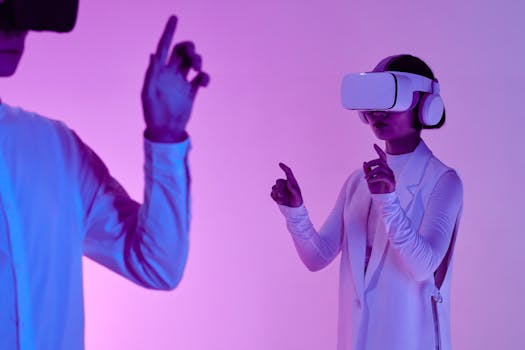
VR Gaming Trends: Game-Changing Advancements Explored
Is virtual reality gaming finally living up to its promise? The advancements in VR technology are reshaping the gaming landscape, creating immersive experiences previously confined to science fiction. Understanding these trends is crucial for gamers, developers, and investors alike, as they signify a paradigm shift in how we interact with and experience digital entertainment.
Introduction
Why is everyone suddenly talking about virtual reality gaming again? While the initial hype surrounding VR may have subsided slightly, the technology itself has been quietly but significantly evolving. 'Breaking Down VR Gaming Trends: game-changing advancements' is vital because it sheds light on the tangible progress being made and the real-world impact these advancements are having on the industry. Early VR headsets, while innovative, suffered from limitations in resolution, tracking, and content. Today's headsets boast significantly improved displays, precise motion tracking, and a growing library of compelling games and experiences. This evolution has been driven by advances in hardware, software, and content creation, resulting in a more seamless and immersive experience for users. The key benefits include enhanced immersion, new gameplay mechanics, and the potential for social interaction within virtual worlds. For example, Beat Saber, a VR rhythm game, demonstrates how VR can create entirely new and engaging gameplay experiences that are difficult to replicate on traditional platforms.
Industry Statistics & Data
The VR gaming market is experiencing significant growth, indicating increasing consumer adoption and investment. Here are some key statistics:
1. According to Statista, the global virtual reality (VR) gaming market is projected to reach $22.91 billion in 2024. This demonstrates the considerable financial potential of the VR gaming sector.
2. A report by Mordor Intelligence estimates a compound annual growth rate (CAGR) of over 30% for the VR gaming market between 2024 and 2029. This rapid growth signifies that VR gaming is moving beyond a niche market into a mainstream form of entertainment.
3. SuperData Research reports that VR game sales reached $2 billion in 2020, a significant increase from previous years, indicating strong consumer interest and investment in VR gaming.
These figures paint a clear picture: the VR gaming industry is not just a passing fad; it's a burgeoning market with substantial growth potential. The increasing investment, coupled with rising sales figures, suggests a growing acceptance of VR gaming as a viable and exciting entertainment medium.
Core Components
Several key components contribute to the advancements in VR gaming and its increasing appeal:
Enhanced Headset Technology
Modern VR headsets have undergone a radical transformation, moving beyond the clunky prototypes of the past. Resolution has drastically improved, with many headsets now offering resolutions exceeding 2K per eye, resulting in sharper and more detailed visuals. Refresh rates have also increased, reducing motion sickness and providing a smoother, more responsive experience. Tracking technology has evolved from external sensors to inside-out tracking, which uses cameras on the headset to track movement without the need for external base stations. This simplification makes VR setups more accessible and convenient. Consider the Meta Quest 3 as a prime example: its high-resolution display, comfortable design, and standalone capabilities make it a popular choice for both casual and hardcore gamers. This increased accessibility directly translates to broader adoption and more opportunities for developers to create innovative VR experiences. The improved tracking systems also allow for more realistic and precise interactions within the virtual environment, enhancing the sense of presence and immersion.
Advancements in Haptics
Haptics, the technology that allows users to feel sensations in VR, is rapidly evolving. Early haptic feedback was limited to simple vibrations, but newer systems incorporate more sophisticated mechanisms that can simulate textures, pressure, and even temperature. Haptic suits and gloves allow players to feel the impact of bullets, the texture of surfaces, and the weight of objects, significantly enhancing immersion. For instance, the Teslasuit offers full-body haptic feedback, allowing users to experience a wide range of sensations within the virtual world. This technology opens up new possibilities for gameplay, such as feeling the recoil of a weapon or the texture of a virtual object. The integration of advanced haptics not only enhances immersion but also provides valuable feedback to the player, improving their performance and overall experience. The development of realistic haptics is crucial for creating truly believable and engaging VR experiences.
Improved Content and Game Design
The availability of high-quality content is essential for the success of any gaming platform. VR gaming has seen a surge in compelling titles, ranging from immersive simulations to action-packed adventures. Developers are increasingly experimenting with new gameplay mechanics that take advantage of VR's unique capabilities, such as motion controls, room-scale tracking, and social interaction. Games like Half-Life: Alyx demonstrate the potential of VR for creating cinematic and emotionally engaging experiences. This title showcases how VR can enhance storytelling and create a deeper connection between the player and the virtual world. Furthermore, the rise of social VR platforms like VRChat allows users to create their own avatars, explore virtual worlds, and interact with others, fostering a sense of community and shared experience. This diversification of content is attracting a wider audience to VR gaming, driving further innovation and investment in the platform.
Common Misconceptions
Despite its advancements, VR gaming still faces several common misconceptions that hinder its widespread adoption:
1. Misconception: VR gaming is too expensive. While early VR headsets were indeed costly, prices have significantly decreased in recent years. Standalone headsets like the Meta Quest 2 offer a relatively affordable entry point into VR gaming.
2. Misconception: VR gaming is just a gimmick. This ignores the significant technological advancements that have improved immersion, tracking, and content. Games like Half-Life: Alyx and Beat Saber demonstrate the potential of VR for creating unique and engaging experiences.
3. Misconception: VR causes motion sickness. While motion sickness can be an issue for some users, advancements in headset technology and game design have significantly reduced its occurrence. High refresh rates, optimized movement mechanics, and adjustable comfort settings can help mitigate motion sickness.
Comparative Analysis
Compared to traditional gaming, VR gaming offers several distinct advantages and disadvantages. Traditional gaming benefits from a massive library of games, established infrastructure, and lower hardware costs. However, it lacks the immersive qualities of VR. Augmented Reality (AR) gaming, which overlays digital elements onto the real world, offers a different approach to immersive gaming, but it doesn't provide the same level of escapism as VR.
VR Pros:* High immersion, innovative gameplay mechanics, potential for social interaction.
VR Cons:* Higher hardware costs, limited game library compared to traditional gaming, potential for motion sickness.
Traditional Gaming Pros:* Large game library, established infrastructure, lower hardware costs.
Traditional Gaming Cons:* Lacks the immersive qualities of VR, limited innovation in gameplay mechanics.
AR Gaming Pros:* Blends digital content with the real world, potential for location-based gaming.
AR Gaming Cons:* Limited immersion compared to VR, requires specific hardware, potential for privacy concerns.
VR gaming excels in providing highly immersive and engaging experiences, but it currently faces challenges related to cost and content availability. Traditional gaming remains the dominant force in the industry due to its accessibility and established infrastructure, while AR gaming offers a unique blend of virtual and real-world elements. The effectiveness of each approach depends on the specific goals and preferences of the user.
Best Practices
Implementing best practices is crucial for creating compelling and successful VR gaming experiences:
1. Prioritize User Comfort: Design games with intuitive controls and comfortable movement mechanics to minimize motion sickness.
2. Optimize Performance: Ensure smooth frame rates and low latency to prevent jarring experiences.
3. Focus on Immersion: Utilize high-quality visuals, spatial audio, and haptic feedback to enhance the sense of presence.
4. Experiment with New Gameplay Mechanics: Take advantage of VR's unique capabilities to create innovative and engaging gameplay experiences.
5. Test Thoroughly: Conduct extensive playtesting to identify and address any issues related to comfort, usability, and performance.
Common challenges include motion sickness, limited field of view, and input latency. These can be overcome by using techniques such as variable rate shading (VRS) to improve performance, providing teleportation options for movement, and optimizing the user interface for VR.
Expert Insights
"VR gaming has the potential to revolutionize the way we experience entertainment," says John Carmack, former CTO of Oculus. "The advancements in hardware and software are making VR more accessible and immersive than ever before."
Research from the University of Southern California's Institute for Creative Technologies has shown that VR can improve learning outcomes, enhance empathy, and reduce anxiety. Another study published in the journal Frontiers in Virtual Reality found that VR gaming can improve cognitive function and motor skills. These findings highlight the potential benefits of VR gaming beyond entertainment.
Step-by-Step Guide
Here's a step-by-step guide on how to get started with VR gaming:
1. Choose a VR Headset: Research and select a VR headset that fits your budget and needs.
2. Set Up Your Play Area: Clear a safe and unobstructed space for VR gaming.
3. Install the Necessary Software: Download and install the software required for your VR headset.
4. Connect Your Headset to Your Computer (if applicable): Follow the instructions provided by the manufacturer to connect your headset to your computer.
5. Adjust Headset Settings: Customize the headset settings to optimize your experience.
6. Explore VR Games and Experiences: Browse the VR game stores and try out different games and experiences.
7. Take Breaks: Take regular breaks to avoid eye strain and motion sickness.
Practical Applications
Implementing VR gaming effectively requires careful planning and execution.
1. Define Your Target Audience: Identify the target audience for your VR game and tailor the content to their interests and preferences.
2. Choose the Right Development Tools: Select the appropriate development tools and engine for your VR game.
3. Optimize for Performance: Optimize your game for performance to ensure smooth frame rates and low latency.
Essential tools include Unity, Unreal Engine, and various VR SDKs. Optimization techniques include using level of detail (LOD) models, optimizing textures, and implementing occlusion culling.
Real-World Quotes & Testimonials
"VR gaming is not just a passing fad; it's the future of entertainment," says Palmer Luckey, founder of Oculus VR. "The technology is only going to get better, and the experiences are going to become more immersive and engaging."
"I was skeptical about VR gaming at first, but after trying Half-Life: Alyx, I was completely blown away," says a satisfied user. "The immersion is incredible, and the gameplay is unlike anything I've ever experienced."
Common Questions
1. What are the benefits of VR gaming? VR gaming offers enhanced immersion, innovative gameplay mechanics, and the potential for social interaction. It can also improve cognitive function and motor skills.
2. What are the disadvantages of VR gaming? VR gaming can be expensive, and the game library is limited compared to traditional gaming. It can also cause motion sickness for some users.
3. How much does a VR headset cost? VR headset prices range from a few hundred dollars to over a thousand dollars, depending on the features and specifications.
4. What games are available for VR? A wide variety of games are available for VR, ranging from action-packed adventures to immersive simulations.
5. Is VR gaming safe for my eyes? Excessive VR gaming can cause eye strain. It's important to take regular breaks and adjust the headset settings to optimize comfort.
6. What is the future of VR gaming? The future of VR gaming looks bright, with advancements in hardware, software, and content creation driving further innovation and adoption.
Implementation Tips
1. Start Small: Begin with simple VR games and experiences to get accustomed to the technology.
2. Experiment with Different Settings: Adjust the headset settings to optimize comfort and performance.
3. Take Regular Breaks: Avoid prolonged VR gaming sessions to prevent eye strain and motion sickness.
4. Use Motion Controllers: Motion controllers enhance immersion and allow for more precise interactions within the virtual world.
5. Explore Social VR Platforms: Connect with other VR gamers and explore virtual worlds together.
Recommended tools include VR headset cleaning kits, cable management solutions, and comfortable VR masks.
User Case Studies
1. Case Study 1: Beat Saber: Beat Saber's success demonstrates how VR can create entirely new and engaging gameplay experiences. The game's intuitive motion controls, catchy music, and addictive gameplay have made it a popular choice among VR gamers.
2. Case Study 2: Half-Life: Alyx: Half-Life: Alyx showcases the potential of VR for creating cinematic and emotionally engaging experiences. The game's high-quality visuals, immersive sound design, and compelling story have earned it critical acclaim.
Interactive Element (Optional)
Take this quick quiz to test your understanding of VR gaming trends:
1. What is a key benefit of VR gaming? a) Lower hardware costs b) Enhanced immersion c) Larger game library
2. What is a common misconception about VR gaming? a) It's too expensive b) It's easy to set up c) It's not immersive
(Answers: 1. b, 2. a)
Future Outlook
Emerging trends in VR gaming include:
1. Cloud VR: Cloud VR allows users to stream VR games and experiences to their headsets without the need for high-end PCs.
2. 5G Connectivity: 5G connectivity will enable faster and more reliable wireless VR experiences.
3. AI-Powered VR: AI can be used to enhance VR experiences by generating realistic environments and characters.
The long-term impact of VR gaming could be profound, transforming the way we interact with and experience digital entertainment.
Conclusion
'Breaking Down VR Gaming Trends: game-changing advancements' reveals a rapidly evolving landscape filled with innovation and potential. The advancements in headset technology, haptics, and content creation are making VR gaming more accessible, immersive, and engaging than ever before. While challenges remain, the future of VR gaming looks bright, with emerging trends like cloud VR, 5G connectivity, and AI-powered VR promising to further revolutionize the industry. Explore the world of VR gaming and discover the immersive experiences that await!
