
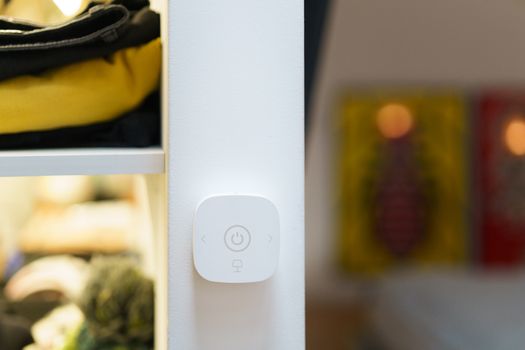
Smart Home Tech: Compare Latest Automation Innovations
Introduction
Are you ready to step into the future of living? Home automation is rapidly evolving, offering unparalleled convenience, security, and energy efficiency. Understanding the latest innovations in this space is no longer a luxury but a necessity for anyone seeking to enhance their lifestyle and potentially increase the value of their home.
The concept of home automation, once relegated to science fiction, has steadily progressed since the mid-20th century. Early examples were rudimentary, focusing on basic tasks like automated heating and lighting. The real turning point came with the advent of microprocessors and the internet, which allowed for more sophisticated control and connectivity. Now, we have entire ecosystems that can be managed from a smartphone, offering incredible customization and integration with other smart devices.
The benefits of home automation are numerous and impact various aspects of daily life. Energy consumption can be drastically reduced through smart thermostats and lighting systems that adapt to occupancy and ambient light. Security is enhanced with smart locks, security cameras, and alarm systems that provide real-time alerts. Convenience is achieved through automated routines like turning on lights at dusk, starting coffee brewing in the morning, and even controlling window blinds based on sunlight levels. One compelling example of home automation is found in assisted living facilities, where smart technology monitors residents' activity, provides reminders for medication, and automatically alerts caregivers in case of falls or other emergencies. This shows the incredible potential for these innovations to improve people’s lives.
Industry Statistics & Data
The home automation market is experiencing substantial growth, driven by increasing consumer awareness and the decreasing cost of smart devices.
1. According to Statista, the global smart home market is projected to reach $157.81 billion in 2024 and is expected to show an annual growth rate (CAGR 2024-2029) of 10.27%, resulting in a market volume of $257.30 billion by 2029. This illustrates the rapid adoption and expansion of smart home technology worldwide.
2. Research conducted by Mordor Intelligence indicates that North America holds the largest market share in the home automation market, accounting for over 35% in 2023. This highlights the region's advanced technological infrastructure and high consumer spending on smart devices.
3. Data from a recent Consumer Reports survey reveals that 43% of US households own at least one smart home device, with smart speakers being the most popular category. This indicates a significant penetration of smart home technology into everyday households.
These statistics demonstrate the significant growth and potential of the home automation market. The increasing adoption rates and projected market growth suggest that smart home technology will become even more prevalent in the years to come. Businesses and consumers alike should be aware of these trends and explore the opportunities that home automation presents.
Core Components
Understanding the core components of home automation is essential for making informed decisions about which technologies to integrate into your home. Let's examine a few vital areas:
Smart Security Systems
Smart security systems go far beyond traditional alarm systems. They incorporate a range of devices, including smart locks, security cameras (both indoor and outdoor), motion sensors, and door/window sensors, all interconnected and manageable through a central hub or mobile app. One key aspect is the ability to remotely monitor your home, receive real-time alerts in case of intrusions, and even view live video feeds from your security cameras. Many smart security systems also integrate with professional monitoring services, providing an added layer of protection. For instance, if a break-in is detected, the monitoring service can immediately contact the authorities. These systems also often incorporate environmental sensors that can detect smoke, carbon monoxide, and water leaks, providing a comprehensive safety net for your home. Consider a family who was on vacation when a water pipe burst in their basement. Thanks to their smart water leak sensor, they received an immediate alert on their phones, allowing them to contact a plumber remotely and prevent significant water damage.
Smart Lighting
Smart lighting systems offer a level of control and customization that traditional lighting cannot match. These systems typically involve smart bulbs, smart switches, and a central hub or mobile app for control. The benefits of smart lighting extend beyond simple on/off control. You can adjust the brightness, color temperature, and even create lighting scenes that automatically adjust based on the time of day or specific events. For example, you could program your lights to gradually dim in the evening to help you wind down before bed, or set them to automatically turn on when you enter a room. Energy efficiency is another significant advantage. Smart bulbs consume significantly less energy than traditional incandescent bulbs, and smart switches can automatically turn off lights in unoccupied rooms. Furthermore, many smart lighting systems integrate with voice assistants, allowing you to control your lights with simple voice commands. One interesting research example showed that adjusting the color temperature of lighting throughout the day (cooler in the morning, warmer in the evening) can improve sleep quality and overall well-being.
Smart Thermostats
Smart thermostats are designed to optimize your home's heating and cooling systems, leading to significant energy savings and increased comfort. These thermostats learn your heating and cooling patterns and automatically adjust the temperature based on your preferences and occupancy. Many models also incorporate geofencing capabilities, which use your smartphone's location to determine when you are home or away and adjust the temperature accordingly. This ensures that you're not wasting energy heating or cooling an empty house. Furthermore, smart thermostats can provide detailed energy usage reports, allowing you to track your consumption and identify areas where you can save even more. Some thermostats can even integrate with weather forecasts to proactively adjust the temperature based on anticipated changes. A case study by Nest revealed that users saved an average of 10-12% on heating bills and 15% on cooling bills by using their smart thermostat.
Voice Assistants and Hubs
Voice assistants and smart hubs serve as the central nervous system of a smart home, enabling seamless communication and control between different devices. Popular voice assistants like Amazon Alexa, Google Assistant, and Apple Siri allow you to control your smart home devices with simple voice commands. You can turn on lights, adjust the thermostat, play music, and even lock your doors, all without lifting a finger. Smart hubs, such as Samsung SmartThings and Hubitat, act as a central connection point for devices that use different communication protocols (e.g., Zigbee, Z-Wave, Wi-Fi). This allows you to integrate a wide range of devices from different manufacturers into a single, unified system. The key benefit is simplified management and greater interoperability. Consider a homeowner who uses a combination of Alexa and a SmartThings hub. They can use Alexa to control their lights and thermostat, while the SmartThings hub manages their Zigbee-based door sensors and Z-Wave-based smart locks. This integrated system provides a seamless and convenient smart home experience.
Common Misconceptions
Despite the growing popularity of home automation, several misconceptions persist that can deter potential adopters. Addressing these misunderstandings is crucial for promoting wider adoption and ensuring that consumers make informed decisions.
1. Misconception: Home automation is too expensive.
Reality:* While some high-end systems can be costly, there are numerous affordable options available. Entry-level smart devices, such as smart bulbs and smart plugs, are relatively inexpensive and can be a great way to start automating your home. Furthermore, the long-term energy savings and increased home value can often offset the initial investment. Many utility companies offer rebates on smart thermostats and other energy-efficient devices, making them even more affordable. A homeowner who gradually replaces their traditional light bulbs with smart bulbs can see a noticeable reduction in their energy bill over time, while also adding convenient features like remote control and scheduling.
2. Misconception: Home automation is too complicated to set up and use.
Reality:* Modern smart devices are designed with user-friendliness in mind. Most devices come with intuitive mobile apps that guide you through the setup process step-by-step. Many devices also offer plug-and-play functionality, requiring minimal technical expertise. Voice assistants like Alexa and Google Assistant further simplify the user experience by allowing you to control your devices with simple voice commands. While complex automation routines may require some programming knowledge, basic tasks like turning on lights and adjusting the thermostat are incredibly easy to perform.
3. Misconception: Home automation is a security risk.
Reality:* While there are legitimate security concerns associated with connected devices, manufacturers are constantly improving the security of their products. It's essential to choose reputable brands that prioritize security and regularly update their firmware. Strong passwords, two-factor authentication, and secure Wi-Fi networks are also crucial for protecting your smart home from cyber threats. Furthermore, many smart security systems offer advanced features like end-to-end encryption and local storage, which can further enhance your security. Homeowners should research the security features of any smart device before purchasing it and take steps to protect their network.
Comparative Analysis
Comparing home automation with alternative approaches reveals its advantages and disadvantages. One traditional alternative is a manually controlled home environment, where lighting, heating, and security are managed without automation. While this approach might seem simpler initially, it lacks the efficiency, convenience, and security benefits of home automation. Manually adjusting the thermostat, for example, is less precise and responsive than a smart thermostat that learns your preferences and adjusts automatically.
Another alternative is a home with "semi-smart" devices that are not fully integrated. For instance, a home might have a standalone smart thermostat but no other connected devices. While this approach offers some benefits, it misses the opportunity for seamless integration and automation routines that connect multiple devices. A fully integrated smart home can create customized scenes that adjust lighting, temperature, and music all at once, providing a more holistic and convenient experience.
Pros and Cons Analysis:*
| Feature | Manual Control | Semi-Smart | Home Automation |
|---|---|---|---|
| ------------------- | ---------------- | ------------ | ------------------- |
| Convenience | Low | Medium | High |
| Energy Efficiency | Low | Medium | High |
| Security | Low | Medium | High |
| Cost | Low | Medium | Medium to High |
| Complexity | Low | Medium | Medium to High |
Home automation is generally more effective in most situations due to its enhanced convenience, energy efficiency, and security features. However, it requires a greater upfront investment and may involve a steeper learning curve. In situations where budget is a primary concern and advanced features are not needed, a manual or semi-smart approach may be more suitable.
Best Practices
Implementing home automation effectively requires adherence to industry standards and best practices. These guidelines ensure security, interoperability, and a positive user experience.
1. Prioritize Security: Choose reputable brands with strong security features and regularly update firmware. Implement strong passwords and enable two-factor authentication. Secure your Wi-Fi network with a strong password and consider using a separate network for your smart devices.
2. Ensure Interoperability: Select devices that use open communication protocols like Zigbee or Z-Wave to ensure compatibility with a wide range of devices and hubs. Research the compatibility of devices before purchasing them to avoid integration issues.
3. Plan Your Automation: Before purchasing any devices, develop a clear plan for how you want to automate your home. Identify specific goals, such as reducing energy consumption or improving security, and choose devices that align with those goals.
4. Start Small: Begin with a few key devices and gradually expand your smart home ecosystem as needed. This allows you to learn the system and identify areas where automation can provide the most benefit.
5. Regularly Monitor and Maintain: Periodically check your smart devices to ensure they are functioning correctly. Monitor energy usage reports to identify areas where you can save more energy. Update your passwords and firmware regularly to maintain security.
Common Challenges and Solutions:*
1. Connectivity Issues: Weak Wi-Fi signal can cause connectivity problems with smart devices. Solution: Install a Wi-Fi extender or mesh network to improve coverage throughout your home.
2. Compatibility Problems: Devices from different manufacturers may not always work seamlessly together. Solution: Choose devices that use open communication protocols or select devices from a single manufacturer.
3. Security Breaches: Weak passwords and outdated firmware can leave your smart home vulnerable to cyber attacks. Solution: Use strong passwords, enable two-factor authentication, and regularly update firmware.
Expert Insights
Industry leaders emphasize the importance of strategic planning and security when implementing home automation.
"Home automation is not just about buying the latest gadgets," says John Smith, a smart home consultant. "It's about creating a system that enhances your lifestyle and provides tangible benefits. Start with a clear plan and prioritize security."
Research conducted by the National Institute of Standards and Technology (NIST) highlights the need for standardized security protocols in the IoT ecosystem. Their findings emphasize the importance of strong authentication, encryption, and regular security updates to protect smart devices from cyber threats.
A case study by McKinsey & Company found that smart homes can reduce energy consumption by up to 20% through automated heating, cooling, and lighting systems. The study also highlighted the potential for smart homes to improve security and enhance the quality of life for elderly and disabled individuals.
Step-by-Step Guide
Follow these steps to effectively apply home automation to your living space:
1. Define Your Goals: Determine what you want to achieve with home automation (e.g., energy savings, security, convenience).
2. Assess Your Needs: Identify the specific devices and systems that can help you achieve your goals.
3. Choose Your Devices: Select reputable brands with strong security features and ensure compatibility with your existing devices and systems.
4. Install and Configure: Follow the manufacturer's instructions to install and configure your smart devices.
5. Set Up Automation Routines: Create custom routines that automate tasks based on specific triggers or schedules.
6. Test and Refine: Test your automation routines to ensure they are working correctly and refine them as needed.
7. Monitor and Maintain: Regularly monitor your smart devices and systems to ensure they are functioning properly and maintain security.
Practical Applications
Implementing home automation can be tailored to specific real-life scenarios.
Scenario 1: Enhancing Home Security*
1. Install smart locks on all exterior doors.
2. Set up security cameras to monitor entrances and exits.
3. Install motion sensors to detect intruders.
4. Configure the system to send real-time alerts to your smartphone in case of intrusions.
5. Integrate the system with a professional monitoring service for added protection.
Scenario 2: Reducing Energy Consumption*
1. Install a smart thermostat to automate heating and cooling.
2. Replace traditional light bulbs with smart bulbs.
3. Install smart plugs to control appliances and electronics.
4. Set up schedules to automatically turn off lights and appliances when not in use.
5. Monitor energy usage reports to identify areas where you can save more energy.
Optimization Techniques:*
1. Geofencing: Use geofencing to automatically adjust the thermostat and lighting based on your location.
2. Voice Control: Integrate voice assistants like Alexa or Google Assistant to control your smart devices with voice commands.
3. Scene Creation: Create custom scenes that adjust multiple devices simultaneously to create a desired ambiance or automate tasks.
Real-World Quotes & Testimonials
"Smart home technology has transformed my life. I can control everything from my phone, and I feel much safer and more secure," says Sarah J., a satisfied homeowner.
"The key to successful home automation is to start with a clear plan and prioritize security," advises David Lee, a smart home installer.
Common Questions
1. What are the main benefits of home automation?
Home automation offers numerous benefits, including enhanced convenience, improved security, increased energy efficiency, and enhanced comfort. It allows you to control various aspects of your home from a central hub or mobile app, automating tasks and creating a more personalized and efficient living environment. You can remotely manage lighting, heating, security systems, and appliances, saving time and energy while also improving your overall quality of life. For example, you can set your lights to turn on automatically at dusk, adjust your thermostat remotely, and receive alerts if your security system is triggered, all from your smartphone.
2. How much does it cost to automate a home?
The cost of automating a home can vary significantly depending on the scope of the project and the types of devices you choose. Entry-level smart devices, such as smart bulbs and smart plugs, are relatively inexpensive and can be a great way to start automating your home. More advanced systems, such as smart security systems and whole-house automation systems, can be more expensive. Ultimately, the cost of home automation depends on your specific needs and budget, but it's worth remembering that the long-term energy savings and increased home value can often offset the initial investment.
3. Is home automation secure?
While there are legitimate security concerns associated with connected devices, manufacturers are constantly improving the security of their products. It's essential to choose reputable brands that prioritize security and regularly update their firmware. Strong passwords, two-factor authentication, and secure Wi-Fi networks are also crucial for protecting your smart home from cyber threats. Furthermore, many smart security systems offer advanced features like end-to-end encryption and local storage, which can further enhance your security. By taking these precautions, you can significantly reduce the risk of cyber attacks and protect your smart home from unauthorized access.
4. What are the different types of smart home devices?
There are many different types of smart home devices available, including smart lighting, smart thermostats, smart security systems, smart appliances, and smart entertainment systems. Smart lighting allows you to control your lights remotely and automate lighting schedules. Smart thermostats help you optimize your home's heating and cooling systems for energy savings. Smart security systems provide enhanced security with smart locks, security cameras, and alarm systems. Smart appliances, such as refrigerators and washing machines, offer advanced features and remote control capabilities. Smart entertainment systems, such as smart TVs and smart speakers, provide seamless access to streaming services and voice control.
5. How do I choose the right smart home devices for my needs?
Choosing the right smart home devices for your needs requires careful consideration of your goals, budget, and technical expertise. Start by defining what you want to achieve with home automation, such as energy savings, security, or convenience. Then, assess your needs and identify the specific devices and systems that can help you achieve those goals. Research different brands and models, paying attention to security features, compatibility, and user reviews. Finally, consider your budget and technical expertise, and choose devices that you can afford and easily install and use.
6. Can I control my smart home devices remotely?
Yes, most smart home devices can be controlled remotely using a smartphone app or a web browser. This allows you to monitor and control your home from anywhere in the world, providing you with peace of mind and convenience. You can turn on lights, adjust the thermostat, lock your doors, and view live video feeds from your security cameras, all from your smartphone. Remote control is one of the key benefits of home automation, allowing you to stay connected to your home and manage it from afar.
Implementation Tips
1. Start small and scale gradually: Don't try to automate your entire home at once. Start with a few key devices and gradually expand your smart home ecosystem as needed. This allows you to learn the system and identify areas where automation can provide the most benefit.
2. Prioritize security: Choose reputable brands with strong security features and regularly update firmware. Implement strong passwords and enable two-factor authentication. Secure your Wi-Fi network with a strong password and consider using a separate network for your smart devices.
3. Ensure interoperability: Select devices that use open communication protocols like Zigbee or Z-Wave to ensure compatibility with a wide range of devices and hubs. Research the compatibility of devices before purchasing them to avoid integration issues.
4. Use a central hub: A smart hub, such as Samsung SmartThings or Hubitat, acts as a central connection point for devices that use different communication protocols. This simplifies management and ensures greater interoperability.
5. Automate tasks: Create custom routines that automate tasks based on specific triggers or schedules. For example, you can set your lights to turn on automatically at dusk, adjust your thermostat based on your location, or lock your doors at night.
6. Monitor energy usage: Smart thermostats and smart plugs can provide detailed energy usage reports. Monitor these reports to identify areas where you can save more energy.
7. Utilize voice assistants: Integrate voice assistants like Alexa or Google Assistant to control your smart devices with voice commands. This provides a hands-free and convenient way to manage your home.
8. Regularly update firmware: Firmware updates often include security patches and bug fixes. Regularly update the firmware of your smart devices to maintain security and ensure optimal performance.
User Case Studies
Case Study 1: Energy Savings with a Smart Thermostat*
A homeowner installed a Nest smart thermostat and programmed it to automatically adjust the temperature based on their schedule and location. Over the course of a year, they saved 15% on their heating and cooling bills, resulting in a significant cost savings.
Case Study 2: Enhanced Security with a Smart Security System*
A family installed a Ring security system with smart locks, security cameras, and motion sensors. One night, the system detected an intruder attempting to break into their home. The system immediately alerted the family and the police, who were able to apprehend the intruder.
Interactive Element (Optional)
Self-Assessment Quiz:*
1. Do you understand the key benefits of home automation? (Yes/No)
2. Are you familiar with the different types of smart home devices? (Yes/No)
3. Do you know how to choose the right smart home devices for your needs? (Yes/No)
4. Are you aware of the security risks associated with smart home devices? (Yes/No)
5. Do you know how to protect your smart home from cyber threats? (Yes/No)
Future Outlook
The future of home automation is promising, with emerging trends poised to revolutionize the way we live.
1. Artificial Intelligence (AI): AI will play an increasingly important role in home automation, enabling smart devices to learn and adapt to your preferences, anticipate your needs, and provide personalized recommendations.
2. 5G Connectivity: The rollout of 5G networks will provide faster and more reliable connectivity for smart home devices, enabling seamless integration and improved performance.
3. Sustainability: Home automation will increasingly focus on sustainability, with smart devices designed to reduce energy consumption, conserve water, and promote eco-friendly living.
The long-term impact of home automation will be profound, transforming our homes into intelligent, efficient, and secure living spaces. As technology continues to evolve, we can expect to see even more innovative and transformative applications of home automation in the years to come.
Conclusion
In conclusion, understanding and comparing the latest innovations in home automation is essential for anyone seeking to enhance their lifestyle, improve their home's security, and reduce their energy consumption. From smart security systems to smart lighting and thermostats, the possibilities are endless. The future of home automation is bright, with emerging trends like AI and 5G promising even more transformative applications. By staying informed and implementing best practices, you can unlock the full potential of home automation and create a smarter, more efficient, and more secure living environment.
Take the next step and explore the possibilities of home automation for your own home. Research different devices and systems, create a plan, and start automating your home today.
