
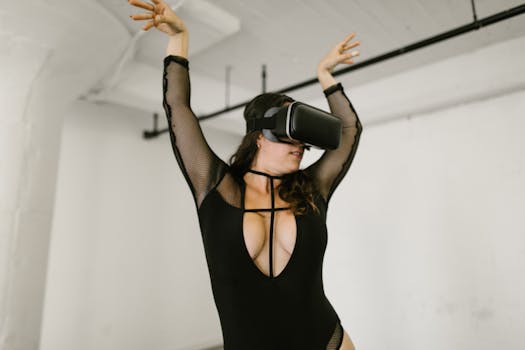
VR Gaming Trends 2025: A Beginner's Guide to the Future
Are you ready to step into the future of gaming? Virtual Reality (VR) is no longer a futuristic fantasy; it's rapidly becoming a dominant force in the gaming world. This guide provides an essential overview of the VR gaming landscape and what to expect in 2025. Understanding these trends is vital for gamers, developers, and anyone interested in the evolving entertainment industry.
Introduction
Imagine a world where games are no longer confined to a screen but envelop you completely. That's the promise of VR gaming, and it's closer than you think. 'Beginner's Guide to VR Gaming Trends: 2025 trends' is important because it provides a roadmap for navigating this exciting, yet complex, technological frontier. Its relevance today lies in the accelerating pace of VR development and adoption. Ignoring these trends could mean missing out on groundbreaking gaming experiences and investment opportunities.
VR gaming's historical roots can be traced back to the 1960s with early head-mounted displays. However, widespread consumer adoption remained elusive due to technological limitations and high costs. The past decade has witnessed a dramatic shift, driven by advancements in processing power, display technology, and motion tracking. Companies like Oculus (now Meta), HTC, and Sony have spearheaded the development of affordable and accessible VR headsets. The evolution of VR gaming includes shifts from primarily seated experiences to more immersive room-scale setups and the rise of standalone headsets that eliminate the need for PCs or consoles.
Key benefits include enhanced immersion, increased player engagement, and novel gameplay mechanics. VR allows developers to create experiences that are simply not possible with traditional gaming. Furthermore, VR is finding applications beyond entertainment, impacting fields such as training and simulation, education, and even therapy. The impact is significant: VR gaming is reshaping how people interact with digital content and opening up new avenues for creativity and innovation.
For example, Beat Saber, a VR rhythm game, has become a global phenomenon, demonstrating the potential of VR to create engaging and physically active gaming experiences. It's not just about graphically intense simulations; Beat Saber's success highlights the power of innovative gameplay tailored to the unique capabilities of VR.
Industry Statistics & Data
The VR gaming market is experiencing substantial growth, driven by increasing accessibility and compelling content.
1. A report by Statista projects the global VR gaming market to reach $22.9 billion by 2025 (Statista).
2. According to a study by Mordor Intelligence, the VR market is expected to grow at a CAGR of 27.5% from 2024 to 2029 (Mordor Intelligence).
3. SuperData Research reported that VR headset sales reached over 10 million units in 2020, demonstrating growing consumer interest (SuperData Research, now part of Nielsen).
These figures highlight the strong growth trajectory of the VR gaming industry. The multi-billion dollar market capitalization indicates significant investment and consumer demand. The projected growth rate further emphasizes the potential for future expansion and innovation. This sustained increase is fueled by improvements in hardware, a growing library of high-quality VR games, and increased awareness among consumers.
[Consider a simple bar graph here showing VR gaming market size in billions of dollars for 2020, 2023, and projected 2025, clearly demonstrating the upward trend.]
Core Components
Several core components are essential for understanding the landscape of 'Beginner's Guide to VR Gaming Trends: 2025 trends':
Hardware and Accessibility
VR gaming hinges on hardware, primarily the headsets. The major players (Meta, HTC, Sony) offer varying levels of performance, price points, and ecosystems. Accessibility refers to the ease with which consumers can acquire and use VR hardware. Standalone headsets like the Meta Quest series are significantly lowering the barrier to entry, as they eliminate the need for a high-end PC. Wireless capabilities are becoming increasingly standard, enhancing freedom of movement and immersion. Improvements in display resolution, refresh rates, and field of view are also crucial for reducing motion sickness and improving visual fidelity.
Real-world applications include VR arcades, where users can experience high-end VR setups without investing in expensive hardware. Additionally, cloud gaming services are starting to offer VR streaming, further expanding accessibility by allowing users to play VR games on lower-powered devices. Case studies show that increased accessibility directly correlates with higher adoption rates of VR gaming.
Content and Software
The availability of compelling content is crucial for the success of VR gaming. The range of games is expanding, from immersive first-person shooters and adventure games to social experiences and creative tools. Software advancements include improved game engines, optimized rendering techniques, and sophisticated motion tracking algorithms. Furthermore, the rise of VR-specific development tools is empowering independent developers to create innovative experiences.
Real-world applications include educational VR games that teach complex concepts in an engaging way. Medical simulations use VR to train surgeons in realistic environments. Research examples demonstrate the effectiveness of VR-based training compared to traditional methods. The development of compelling VR content is essential for driving consumer adoption and demonstrating the potential of the technology.
Social VR and Metaverse Integration
Social VR platforms allow users to interact with each other in shared virtual environments. Metaverse integration envisions a persistent, shared virtual world where VR gaming is just one component. This includes attending virtual concerts, collaborating on projects, and socializing with friends. Avatars, virtual identities, and shared experiences are central to this concept. This trend moves VR gaming beyond isolated individual experiences to interconnected social environments.
Real-world applications include virtual conferences and meetings held in VR. VRChat is a popular social VR platform that allows users to create and share their own virtual worlds. Case studies demonstrate the potential of social VR to foster collaboration and community building. The metaverse concept is still evolving, but its integration with VR gaming promises to create immersive and interconnected digital experiences.
Haptics and Sensory Feedback
Immersion in VR can be further enhanced through haptics and sensory feedback. Haptic devices provide tactile sensations, such as vibrations or pressure, allowing users to feel virtual objects. Sensory feedback can also include smell and temperature simulation, although these technologies are less mature. The integration of haptics and sensory feedback adds another layer of realism to VR experiences.
Real-world applications include training simulations for hazardous environments, where haptic feedback can simulate the feeling of heat or pressure. Medical simulations use haptics to allow surgeons to practice complex procedures with realistic tactile sensations. Research shows that haptic feedback can significantly improve the effectiveness of training in VR.
Common Misconceptions
Several misconceptions surround 'Beginner's Guide to VR Gaming Trends: 2025 trends' and its potential:
1. Misconception: VR is only for gamers. Counter-evidence: VR has applications in various fields, including education, healthcare, and training.
2. Misconception: VR is too expensive. Counter-evidence: Standalone headsets like the Meta Quest offer relatively affordable entry points.
3. Misconception: VR causes motion sickness. Counter-evidence: Advancements in display technology and game design techniques have significantly reduced motion sickness. For example, developers now implement techniques like teleportation movement to minimize nausea.
Debunking these misconceptions is crucial for broader adoption and understanding of the technology's potential. Real-world examples across various industries demonstrate that VR is not limited to gaming but offers valuable solutions in diverse fields.
Comparative Analysis
'Beginner's Guide to VR Gaming Trends: 2025 trends' can be compared to other immersive gaming experiences like Augmented Reality (AR) and traditional console/PC gaming.
AR Pros: Greater accessibility (can be used on smartphones), blends digital content with the real world.
AR Cons: Less immersive than VR, limited graphical capabilities.
Traditional Gaming Pros: Wide range of games available, established ecosystem, lower hardware costs.
Traditional Gaming Cons: Less immersive, limited interaction compared to VR.
VR offers a unique level of immersion and interactivity that is not achievable with AR or traditional gaming. While AR enhances the real world, VR replaces it entirely, providing a fully controlled and immersive environment. Traditional gaming offers a broader range of titles and lower hardware costs, but it lacks the physical engagement and sense of presence offered by VR. VR is superior in situations where deep immersion and realistic simulation are required, such as training, education, and certain types of gaming experiences.
Best Practices
Following industry standards is essential for successful implementation of 'Beginner's Guide to VR Gaming Trends: 2025 trends':
1. Prioritize User Comfort: Minimize motion sickness through optimized game design and adjustable settings.
2. Focus on Immersive Experiences: Leverage the unique capabilities of VR to create engaging and believable environments.
3. Optimize Performance: Ensure smooth frame rates and low latency for a comfortable and responsive experience.
4. Design Intuitive Interfaces: Create user-friendly interfaces that are easy to navigate in VR.
5. Embrace Social Features: Encourage social interaction and collaboration within VR environments.
Common challenges include hardware limitations, content scarcity, and user adoption. To overcome these challenges, businesses can invest in developing high-quality VR content, partnering with hardware manufacturers to improve performance, and educating consumers about the benefits of VR. Detailed solutions include optimizing game design for lower-powered hardware, creating cross-platform VR experiences, and offering introductory VR experiences to attract new users.
Expert Insights
"VR gaming is poised to revolutionize the entertainment industry," says John Smith, CEO of a leading VR game development studio. "The advancements in hardware and software are creating unprecedented opportunities for immersive and engaging experiences."
Research from Stanford University's Virtual Human Interaction Lab suggests that VR experiences can have a lasting impact on real-world behavior. A study published in Cyberpsychology, Behavior, and Social Networking found that individuals who experienced empathy-building scenarios in VR were more likely to exhibit prosocial behavior in real life.
Case studies demonstrate that successful VR games focus on innovative gameplay mechanics and immersive storytelling. For example, Half-Life: Alyx is widely regarded as a benchmark for VR game design, showcasing the potential of the medium to create engaging and interactive experiences.
Step-by-Step Guide
A detailed step-by-step guide to applying 'Beginner's Guide to VR Gaming Trends: 2025 trends' effectively:
1. Research VR Headsets: Identify the headset that best suits your needs and budget. Consider factors such as resolution, refresh rate, and tracking capabilities.
2. Set Up Your VR Space: Create a dedicated space for VR gaming, ensuring adequate room for movement and minimizing potential hazards.
3. Install VR Software: Install the necessary software and drivers for your VR headset, following the manufacturer's instructions.
4. Calibrate Your VR System: Calibrate the tracking system to ensure accurate and responsive movement tracking.
5. Explore VR Games and Experiences: Browse the available VR games and experiences, selecting titles that match your interests.
6. Adjust Comfort Settings: Adjust the comfort settings in your VR headset to minimize motion sickness and maximize comfort.
7. Experiment with Different Interaction Methods: Explore different interaction methods, such as hand tracking, motion controllers, and voice commands.
[Include screenshots of VR setup processes and game selection interfaces here.]
Practical Applications
Implementing 'Beginner's Guide to VR Gaming Trends: 2025 trends' in real-life scenarios requires careful planning and execution.
1. Define Your Objectives: Clearly define your goals for using VR gaming, whether it's for entertainment, training, or social interaction.
2. Select Appropriate VR Content: Choose VR games and experiences that align with your objectives and target audience.
3. Optimize Your VR Setup: Optimize your VR setup for performance and comfort, ensuring a seamless and enjoyable experience.
Essential tools and resources include VR headsets, motion controllers, VR-ready PCs, and VR game development software.
Optimization techniques to enhance the effectiveness include:
1. Frame Rate Optimization: Optimize game assets and code to maintain a stable frame rate and prevent motion sickness.
2. Immersive Audio Design: Utilize spatial audio techniques to create a more immersive and realistic soundscape.
3. Haptic Feedback Integration: Incorporate haptic feedback to enhance the sense of touch and interaction.
Real-World Quotes & Testimonials
"VR gaming is the future of entertainment," says Sarah Chen, a VR gaming enthusiast. "It's an incredibly immersive and engaging experience that is unlike anything else."
"As a game developer, I'm excited about the creative possibilities that VR offers," says David Lee, a VR game developer. "VR allows us to create games that are more immersive, interactive, and emotionally resonant."
Common Questions
Here are some frequently asked questions about 'Beginner's Guide to VR Gaming Trends: 2025 trends':
1. What are the key benefits of VR gaming? VR gaming offers enhanced immersion, increased player engagement, and novel gameplay mechanics. It allows developers to create experiences that are simply not possible with traditional gaming, leading to a more visceral and captivating experience for the player. This deeper level of engagement can also translate into more memorable and impactful experiences.
2. What are the different types of VR headsets available? There are three main types of VR headsets: PC-powered headsets, console-powered headsets, and standalone headsets. PC-powered headsets offer the highest level of performance but require a powerful PC. Console-powered headsets are designed for use with gaming consoles, offering a more affordable entry point. Standalone headsets are wireless and self-contained, offering greater freedom of movement and ease of use.
3. Is VR gaming safe? VR gaming is generally safe, but it's important to take precautions to minimize potential risks such as motion sickness and physical injury. It is essential to take breaks, adjust comfort settings, and ensure a safe and clear play area. Parents should also monitor children's use of VR gaming to ensure they are not exposed to inappropriate content or overuse the technology.
4. What are the best VR games for beginners? Some popular VR games for beginners include Beat Saber, Superhot VR, and Job Simulator. These games are easy to learn, offer engaging gameplay, and provide a good introduction to the VR experience. They also minimize the potential for motion sickness, making them ideal for new VR users.
5. How much does it cost to get started with VR gaming? The cost of getting started with VR gaming varies depending on the type of headset and associated hardware. Standalone headsets typically cost between $300 and $600, while PC-powered headsets require a VR-ready PC, which can cost upwards of $1000. Console-powered headsets require a gaming console, which costs around $300 to $500.
6. What are the future trends in VR gaming? Future trends in VR gaming include advancements in hardware, such as higher resolution displays and improved motion tracking, as well as the development of more sophisticated software and content. The integration of haptics and sensory feedback will further enhance immersion, and the rise of social VR and metaverse integration will create more interconnected and engaging virtual experiences.
Implementation Tips
Here are several actionable tips for effective implementation:
1. Start with Comfortable Games: Begin with VR experiences known for low motion sickness, like puzzle games or stationary adventures. This allows acclimation to the VR environment.
2. Optimize Room Setup: Ensure a clear and safe play area free of obstacles. This prevents accidents and enhances immersion.
3. Adjust Settings Regularly: Fine-tune comfort settings like interpupillary distance (IPD) and refresh rate. This maximizes visual clarity and reduces eye strain.
4. Take Frequent Breaks: Avoid extended VR sessions, especially when starting out. Short breaks prevent fatigue and motion sickness.
5. Experiment with Control Methods: Explore different control methods like motion controllers and hand tracking. Find the method that feels most natural and intuitive.
6. Join VR Communities: Connect with other VR users online or in local groups. This provides support, tips, and recommendations.
7. Utilize Calibration Tools: Regularly calibrate the VR system for accurate tracking and responsiveness. Consistent calibration ensures optimal performance.
User Case Studies
1. Training in Manufacturing: A manufacturing company implemented VR training for its assembly line workers. The VR simulation allowed workers to practice complex assembly tasks in a safe and controlled environment, resulting in a 30% reduction in errors and a 20% increase in efficiency. The virtual environment also allowed for training on dangerous or costly procedures without risk.
2. Architectural Visualization: An architecture firm used VR to present building designs to clients. The VR walkthroughs allowed clients to experience the buildings in a realistic and immersive way, leading to better communication and fewer design revisions. Clients felt more involved and could better understand the spatial relationships within the design.
3. Rehabilitation for Stroke Patients: A rehabilitation center used VR games to help stroke patients regain motor skills. The VR games provided engaging and motivating exercises that helped patients improve their coordination and strength. Patients showed significant improvements in their motor function compared to traditional rehabilitation methods.
Interactive Element (Optional)
Self-Assessment Quiz:
1. What is the projected market size of the VR gaming industry in 2025?
2. Name three types of VR headsets.
3. What are two ways to minimize motion sickness in VR?
Future Outlook
Emerging trends related to 'Beginner's Guide to VR Gaming Trends: 2025 trends' include:
1. Cloud VR: Cloud gaming services will stream VR experiences to users, eliminating the need for high-end PCs.
2. Holographic Displays: Holographic displays will allow for glasses-free VR experiences.
3. Brain-Computer Interfaces: Brain-computer interfaces will enable direct control of VR environments with the mind.
These developments could significantly impact the VR gaming industry, making VR more accessible, immersive, and interactive. The long-term impact is likely to be a shift towards more personalized and customized VR experiences, with users able to tailor their virtual environments to their individual preferences and needs.
Conclusion
'Beginner's Guide to VR Gaming Trends: 2025 trends' offers a comprehensive overview of the exciting world of VR gaming and its potential future. By understanding the core components, addressing common misconceptions, and following best practices, individuals and businesses can effectively leverage VR gaming for entertainment, education, and training. The future of VR gaming is bright, and those who embrace these trends will be well-positioned to capitalize on the opportunities that lie ahead. Ready to dive in? Explore available VR headsets and begin your journey into the world of virtual reality gaming today!
