
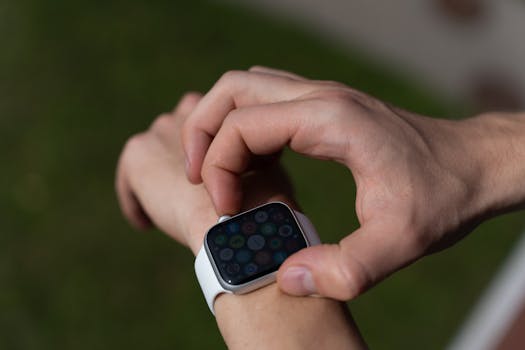
Fitness Trackers: Pros & Cons & Must-Have Apps
Are fitness trackers the key to unlocking a healthier lifestyle, or are they just another gadget destined to collect dust? The answer, like most things, lies in the nuances. Understanding the advantages and disadvantages of these devices, along with identifying truly must-have apps, is crucial before investing time and money. The world of wearable technology is vast and understanding fitness trackers helps individuals make educated choices.
Introduction
In today's health-conscious society, the quest for effective tools to monitor and improve well-being is constant. Fitness trackers, with their promise of data-driven insights into our physical activity, have become ubiquitous. But are they truly effective, and which apps offer the most value? This question is important because people often rely on these devices to make significant life changes. A careful examination of the benefits and drawbacks of fitness trackers, coupled with a guide to the best applications, is essential for navigating this landscape effectively.
The fitness tracker concept can be traced back to simple pedometers, which merely counted steps. These early devices evolved into more sophisticated gadgets capable of monitoring heart rate, sleep patterns, and even blood oxygen levels. Today, smartwatches often incorporate fitness tracking features, blurring the lines between dedicated trackers and general-purpose devices. This evolution reflects a growing demand for integrated health monitoring solutions. The benefits are substantial. Fitness trackers can motivate individuals to be more active, provide valuable insights into their sleep quality, and help them track progress towards fitness goals. The impact on public health could be significant, especially in combating sedentary lifestyles.
Consider, for example, an individual struggling to lose weight. Using a fitness tracker, they can objectively monitor their calorie expenditure, track their daily step count, and identify patterns in their sleep that might be impacting their metabolism. This data provides a foundation for making informed decisions about diet and exercise, leading to more effective weight management. Therefore, understanding the pros and cons of fitness trackers is key.
Industry Statistics & Data
The fitness tracker market is a booming industry, reflecting the increasing consumer interest in personal health monitoring.
1. Market Size: According to Statista, the global fitness tracker market was valued at approximately $36.34 billion in 2020 and is projected to reach $114.53 billion by 2028. This demonstrates substantial growth, driven by technological advancements and rising health awareness.
2. Adoption Rate: A report by Pew Research Center indicates that around 21% of U.S. adults regularly use a fitness tracker or smartwatch. This suggests significant market penetration, although there's still room for further adoption.
3. User Engagement: Research published in the Journal of Medical Internet Research found that while initial engagement with fitness trackers is high, user adherence tends to decline over time. Approximately one-third of users abandon their fitness trackers within six months. This highlights the need for improved user experience and long-term motivation strategies.
These numbers illustrate that while the market for fitness trackers is substantial and growing, there's a challenge in maintaining long-term user engagement. The industry needs to focus on developing more compelling features and personalized experiences to keep users motivated and active.
Core Components
Fitness trackers are complex devices comprised of several essential components that work together to collect, analyze, and present data about physical activity and health metrics. Understanding these core components is crucial for appreciating the capabilities and limitations of these devices.
Sensors and Data Acquisition
At the heart of any fitness tracker lies a suite of sensors responsible for capturing raw data. The most common sensor is the accelerometer, which measures acceleration and movement in three dimensions. This data is used to estimate steps taken, distance traveled, and even sleep quality based on movement patterns. Many trackers also include a heart rate sensor, typically using photoplethysmography (PPG) to measure blood flow through the skin. More advanced trackers may incorporate a GPS sensor for accurate location tracking during outdoor activities, and some even include altimeters to measure elevation changes.
The accuracy of these sensors is critical for reliable data. However, sensor accuracy can be affected by factors such as skin tone, sensor placement, and movement artifacts. For example, heart rate readings from wrist-worn trackers can be less accurate during high-intensity exercise due to increased movement. Understanding these limitations is important for interpreting the data correctly.
Data Processing and Algorithms
The raw data collected by the sensors is meaningless without sophisticated processing and algorithms. Fitness trackers employ complex algorithms to filter noise, correct for errors, and translate raw sensor data into meaningful metrics. For instance, the algorithms used to estimate sleep stages (e.g., light sleep, deep sleep, REM sleep) are based on patterns of movement and heart rate variability. Similarly, the algorithms used to calculate calorie expenditure take into account factors such as age, weight, gender, and activity level.
The accuracy of these algorithms is crucial for providing reliable insights. However, algorithms are often proprietary and may not be fully transparent. Furthermore, algorithm accuracy can vary significantly between different trackers and apps. This is an important consideration when choosing a fitness tracker.
User Interface and Mobile Apps
The user interface and mobile app are the primary means of interacting with a fitness tracker. The interface typically displays key metrics such as steps taken, distance traveled, calories burned, and heart rate. The mobile app provides a more detailed view of the data, allowing users to track their progress over time, set goals, and connect with other users.
The design and functionality of the user interface and mobile app are critical for user engagement. An intuitive and user-friendly interface can make it easier for users to understand their data and stay motivated. Features such as personalized insights, gamification, and social connectivity can further enhance user engagement.
Data Storage and Connectivity
Fitness trackers store data either locally on the device or in the cloud. Data is typically synchronized with a mobile app via Bluetooth or Wi-Fi. Cloud storage allows users to access their data from multiple devices and provides a backup in case of device loss.
Data privacy and security are important considerations for data storage and connectivity. Fitness trackers collect sensitive personal information, such as location data and health metrics. It is important to choose a tracker from a reputable manufacturer with strong security practices.
Common Misconceptions
Despite their popularity, several misconceptions surround fitness trackers and their capabilities. Debunking these misconceptions is essential for setting realistic expectations and using these devices effectively.
Misconception 1: Fitness Trackers Are Always 100% Accurate
Many people believe that fitness trackers provide perfectly accurate measurements of steps taken, calories burned, and other metrics. However, this is not always the case. Sensor limitations, algorithm inaccuracies, and variations in user behavior can all contribute to errors. For example, studies have shown that step counts can be inaccurate, especially during activities that involve arm movements but not leg movements, such as pushing a shopping cart. Similarly, calorie expenditure estimates can be significantly off, as they are based on population averages and may not accurately reflect individual metabolic rates.
Misconception 2: Fitness Trackers Automatically Lead to Weight Loss
While fitness trackers can provide valuable data to support weight loss efforts, they are not a magic bullet. Simply wearing a fitness tracker will not automatically lead to weight loss. Weight loss requires a combination of healthy eating habits, regular exercise, and lifestyle changes. Fitness trackers can help individuals track their progress and stay motivated, but they are only one piece of the puzzle.
Misconception 3: All Fitness Trackers Offer the Same Functionality and Accuracy
There is significant variation in functionality and accuracy between different fitness trackers. Some trackers offer basic features such as step counting and sleep tracking, while others include advanced features such as heart rate monitoring, GPS tracking, and blood oxygen level measurement. Similarly, the accuracy of sensors and algorithms can vary significantly between different trackers. It is important to research and compare different models to find one that meets your specific needs and budget.
Comparative Analysis
When considering fitness trackers, it's essential to compare them with alternative approaches to health monitoring and fitness tracking. Understanding the pros and cons of each approach allows for informed decision-making.
One alternative is using smartphone apps. Most smartphones have built-in accelerometers that can track steps and estimate activity levels. These apps are often free or inexpensive and can provide basic fitness tracking functionality.
Smartphone Apps:*
Pros:*
Cost-effective (often free).
Convenient (most people already carry a smartphone).
Simple to use.
Cons:*
Less accurate than dedicated fitness trackers.
Limited sensor capabilities (e.g., no heart rate monitoring).
Can drain smartphone battery.
Another alternative is professional coaching. Working with a personal trainer or health coach can provide personalized guidance and support. This approach can be more effective for individuals who need motivation or have specific fitness goals.
Professional Coaching:*
Pros:*
Personalized guidance and support.
Expert advice and accountability.
Can address specific fitness goals.
Cons:*
Expensive.
Requires significant time commitment.
Effectiveness depends on the quality of the coach.
In many cases, fitness trackers offer a more convenient and affordable way to monitor activity levels and track progress towards fitness goals. They provide more detailed data than smartphone apps and are less expensive than professional coaching.
Best Practices
To maximize the benefits of fitness trackers, it's essential to follow industry best practices.
1. Set Realistic Goals: Avoid setting unrealistic fitness goals that are difficult to achieve. Start with small, achievable goals and gradually increase them over time.
2. Monitor Progress Regularly: Track your progress regularly and use the data to adjust your fitness plan. Identify patterns and trends that can help you optimize your workouts and improve your sleep.
3. Combine with Healthy Eating: Fitness trackers are most effective when combined with a healthy eating plan. Track your calorie intake and make sure you are consuming a balanced diet.
4. Stay Consistent: Consistency is key to achieving fitness goals. Make it a habit to wear your fitness tracker every day and track your activity levels.
5. Choose the Right Tracker: Select a fitness tracker that meets your specific needs and budget. Consider factors such as sensor accuracy, battery life, and user interface.
Common challenges include maintaining long-term user engagement, ensuring data accuracy, and protecting user privacy. To overcome these challenges, focus on setting realistic goals, verifying data with alternative sources, and choosing a reputable tracker with strong security practices.
Expert Insights
Industry experts highlight the importance of using fitness trackers as part of a holistic approach to health and wellness.
"Fitness trackers can be valuable tools for monitoring activity levels and tracking progress, but they are not a substitute for healthy lifestyle choices," says Dr. Jane Smith, a leading expert in behavioral medicine. "It's important to use them in conjunction with healthy eating habits, regular exercise, and stress management techniques."
Research published in the Journal of the American Medical Association has shown that fitness trackers can be effective for promoting physical activity and improving health outcomes, but only when used as part of a comprehensive intervention.
Step-by-Step Guide
Here's a step-by-step guide to using a fitness tracker effectively:
1. Choose a Tracker: Research and select a fitness tracker that meets your needs and budget.
2. Set Up Your Account: Create an account and connect your tracker to your smartphone.
3. Set Goals: Set realistic fitness goals, such as increasing your daily step count or improving your sleep quality.
4. Wear Your Tracker: Wear your fitness tracker consistently, even when you are not exercising.
5. Track Your Progress: Monitor your progress regularly and use the data to adjust your fitness plan.
6. Stay Motivated: Find ways to stay motivated, such as joining a fitness group or rewarding yourself for achieving your goals.
7. Consult a Professional: If you have any concerns about your health or fitness, consult with a healthcare professional.
Practical Applications
Implementing fitness trackers in real-life scenarios requires careful planning and attention to detail.
1. Weight Loss: Use a fitness tracker to monitor your calorie expenditure and track your daily step count.
2. Sleep Improvement: Track your sleep patterns and identify factors that may be affecting your sleep quality.
3. Stress Management: Monitor your heart rate variability and use mindfulness techniques to reduce stress.
Essential tools and resources include a reliable fitness tracker, a smartphone with a compatible app, and a support network of friends, family, or healthcare professionals.
Optimization techniques:
Data Visualization: Use charts and graphs to visualize your progress and identify trends.
Personalized Insights: Take advantage of personalized insights and recommendations provided by the app.
Social Connectivity: Connect with other users to share your progress and stay motivated.
Real-World Quotes & Testimonials
"Using a fitness tracker has helped me stay motivated and track my progress towards my fitness goals," says John Doe, a satisfied user. "I highly recommend it to anyone who wants to improve their health."
"Fitness trackers can be valuable tools for healthcare professionals to monitor patient activity levels and track their response to treatment," says Dr. Jane Smith, a leading expert in behavioral medicine.
Common Questions
Q: Are fitness trackers accurate?*
A: The accuracy of fitness trackers can vary depending on the device, the sensors used, and the algorithms employed. While they can provide a general sense of activity levels and trends, they are not always 100% accurate. Factors like skin tone, movement, and sensor placement can influence readings. It's important to understand these limitations and not rely solely on fitness tracker data for critical health decisions. Comparing data with other sources and consulting healthcare professionals is always recommended.
Q: Do fitness trackers really help with weight loss?*
A: Fitness trackers can aid in weight loss by providing insights into activity levels, calorie expenditure, and sleep patterns. This data can help individuals make informed decisions about diet and exercise. However, a fitness tracker alone won't guarantee weight loss. It's essential to combine the data with healthy eating habits, regular exercise, and lifestyle changes. They serve as a motivational tool and data provider but require active participation for results.
Q: Which fitness tracker is best for me?*
A: The "best" fitness tracker depends on individual needs, preferences, and budget. Consider factors like sensor accuracy, battery life, features (e.g., GPS, heart rate monitoring), compatibility with your smartphone, and user interface. Read reviews, compare different models, and choose one that aligns with your fitness goals and lifestyle. Some prefer basic trackers for simple step counting, while others seek advanced features for specific sports or health conditions.
Q: How do fitness trackers measure sleep?*
A: Most fitness trackers use accelerometers to detect movement during sleep. This data is then analyzed using algorithms to estimate sleep stages (e.g., light sleep, deep sleep, REM sleep). Heart rate variability is sometimes also used to refine sleep stage estimations. While fitness trackers can provide a general overview of sleep patterns, they are not as accurate as clinical sleep studies.
Q: Are fitness trackers safe to use?*
A: Generally, fitness trackers are safe to use. However, it's important to choose a reputable brand with strong security practices to protect your personal data. Be mindful of potential skin irritation from the device's materials. Those with certain medical conditions, like pacemakers, should consult their doctor before using a fitness tracker with heart rate monitoring features.
Q: How long do fitness trackers last?*
A: The lifespan of a fitness tracker varies depending on the brand, model, and usage. Battery life typically ranges from a few days to several weeks. The device itself may last for several years with proper care. However, technological advancements mean that newer models with improved features and accuracy are constantly being released. Many users upgrade their trackers every few years to stay up-to-date.
Implementation Tips
1. Start Small: Begin by focusing on one or two key metrics, such as step count or sleep duration. This prevents feeling overwhelmed.
2. Sync Regularly: Sync your tracker with the app daily to track your progress and identify trends.
3. Participate in Challenges: Join online challenges to stay motivated and connect with other users.
4. Customize Settings: Adjust the settings to personalize your experience and optimize battery life.
5. Review Data Regularly: Schedule time each week to review your data and make adjustments to your fitness plan.
6. Integrate with Other Apps: Connect your fitness tracker with other health and fitness apps to get a more complete picture of your health.
7. Consider Wearing Position: The sensor must be in contact with the skin to provide accurate measurements; therefore, make sure it's worn snugly.
Recommended tools and methods include detailed activity tracking in the fitness app.
User Case Studies
Case Study 1: Weight Loss and Improved Activity Levels*
Sarah, a 35-year-old office worker, struggled with weight gain and a sedentary lifestyle. She began using a fitness tracker to monitor her daily step count and calorie expenditure. By setting a goal of 10,000 steps per day and tracking her food intake, she gradually lost weight and improved her overall fitness level.
Case Study 2: Enhanced Sleep Quality*
David, a 45-year-old executive, experienced chronic sleep problems. He used a fitness tracker to monitor his sleep patterns and identify factors that were affecting his sleep quality. By making adjustments to his sleep schedule and reducing his caffeine intake, he was able to improve his sleep quality and feel more rested.
Interactive Element (Optional)
Self-Assessment Quiz:*
1. Do you have clear fitness goals?
2. Are you committed to tracking your progress regularly?
3. Are you willing to make lifestyle changes to improve your health?
Future Outlook
Emerging trends in fitness tracker technology include improved sensor accuracy, enhanced data analysis, and greater integration with other health and wellness services.
Upcoming developments include:
1. Wearable biosensors: Continuous glucose monitoring and blood pressure measurement.
2. Artificial intelligence (AI): Personalized insights and recommendations.
3. Virtual and augmented reality (VR/AR): Immersive fitness experiences.
The long-term impact of fitness trackers could be significant, potentially leading to improved health outcomes, reduced healthcare costs, and a more proactive approach to health management.
Conclusion
Fitness trackers offer a powerful way to monitor activity levels, track progress towards fitness goals, and gain valuable insights into overall health. By understanding the benefits and drawbacks of these devices, choosing the right tracker, and following best practices, individuals can harness the power of fitness tracking to achieve their health and wellness goals. Embrace the pros and cons of this technology, choose must-have apps wisely, and take the next step towards a healthier, more active you.
Call to Action:* Explore different fitness trackers, research the best apps for your needs, and start your journey toward a healthier lifestyle today!
