
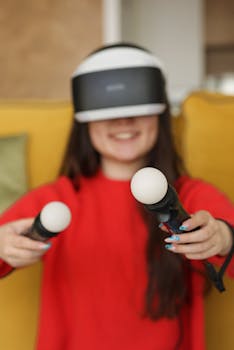
VR Gaming Trends: Must-Have Apps Compared (2024 Guide)
Are you ready to dive into the immersive world of VR gaming? Selecting the right VR apps can be the key to unlocking unparalleled gaming experiences. With the VR landscape constantly evolving, understanding the latest trends and must-have applications is more important than ever. This comprehensive guide will provide a comparative analysis of current VR gaming trends and the essential applications that are shaping the future of interactive entertainment.
Introduction
Which VR games are truly pushing the boundaries of virtual reality, and which apps deserve a spot in your library? The world of VR gaming is a rapidly expanding frontier, offering increasingly realistic and engaging experiences. Understanding the current trends and identifying the must-have apps is crucial for both seasoned VR enthusiasts and newcomers alike.
VR gaming has its roots in early experiments with head-mounted displays in the late 1960s, but the modern VR gaming era began in the early 2010s with the development of devices like the Oculus Rift. Since then, the industry has witnessed exponential growth, fueled by advancements in hardware, software, and content creation. Today, VR gaming offers a wide range of genres, from immersive simulations and action-packed shooters to collaborative multiplayer experiences.
The key benefits of VR gaming extend beyond mere entertainment. VR can enhance cognitive skills, improve reaction times, and provide therapeutic benefits for conditions like anxiety and PTSD. Furthermore, VR gaming is impacting industries such as education, training, and healthcare by providing realistic and interactive simulations. A prime example is the use of VR training simulations for surgeons, allowing them to practice complex procedures in a risk-free environment. Comparing VR games and the must-have apps can also ensure the most efficient utilization for these training programs, thus expanding the adoption of VR in various industries.
Industry Statistics & Data
The VR gaming market is projected to reach $92.31 billion by 2027, according to a report by Allied Market Research, showcasing its impressive growth trajectory. This reflects a compound annual growth rate (CAGR) of 30.2% from 2020 to 2027. This massive investment in the VR gaming landscape has led to a vast range of new and interesting titles.
According to Statista, approximately 171 million people worldwide use virtual reality technology. This large user base fuels the demand for innovative VR gaming experiences and drives further investment in the sector. A comparative analysis of VR gaming trends informs developers of the features that resonate with the VR community.
Newzoo reports that content and software comprise the largest share of the VR market revenue, accounting for roughly 60%. This emphasizes the importance of selecting the right apps to fully enjoy the VR experience. The continuous development and release of new applications is important to keep the VR community alive and active.
These figures highlight the immense potential of the VR gaming market. As technology continues to improve and adoption rates rise, VR gaming is poised to become a mainstream form of entertainment, rivaling traditional gaming platforms.
Core Components
Three essential aspects define the current state of VR gaming trends: immersive storytelling, social interaction, and realistic physics.
Immersive Storytelling
The power of VR lies in its ability to transport players to entirely new worlds, and immersive storytelling is crucial for maximizing this potential. Compelling narratives, well-developed characters, and engaging plotlines are essential for drawing players into the virtual environment and making them feel emotionally invested in the game world. Games like Lone Echo and Half-Life: Alyx excel in this area, crafting richly detailed worlds and storylines that captivate players from start to finish. These games leverage spatial audio, realistic graphics, and interactive environments to create a truly believable and immersive experience. These are consistently ranked amongst the must-have VR gaming apps because of their ability to captivate audiences and keep them coming back for more.
Real-world application: VR storytelling is being used in education to create interactive history lessons where students can experience historical events firsthand. Museums are also utilizing VR to provide immersive exhibits that bring artifacts and stories to life.
Case study: Notes on Blindness, a VR documentary, immerses viewers in the world of a blind man, allowing them to experience his unique perspective. This powerful storytelling approach has garnered critical acclaim and demonstrated the potential of VR as a medium for empathy and understanding.
Social Interaction
While early VR experiences were largely solitary, the trend is shifting towards social interaction. Multiplayer VR games and social VR platforms are becoming increasingly popular, allowing players to connect with friends, collaborate on challenges, and build virtual communities. Games like VRChat and Rec Room provide platforms for users to create their own avatars, explore user-generated content, and participate in a wide range of social activities. This social dimension adds a layer of depth and replayability to VR gaming, transforming it from a solitary activity into a shared experience. A key part of their popularity comes from the ability for VR gamers to find like-minded individuals to play games with them, something lacking in the older days of gaming.
Real-world application: Social VR is being used for remote collaboration in business, allowing teams to meet and work together in a virtual office environment. This can improve communication, foster team cohesion, and reduce travel costs.
Case study: Bigscreen is a VR application that allows users to share their computer screens in a virtual environment. This has become a popular tool for remote workers and teams, enabling them to collaborate on projects, watch movies together, and even host virtual events.
Realistic Physics
Realistic physics are essential for creating a believable and immersive VR experience. When objects behave in a way that mirrors the real world, it enhances the sense of presence and makes interactions feel more natural. Games that incorporate advanced physics engines, such as Boneworks and Blade and Sorcery*, provide highly interactive environments where players can manipulate objects, solve puzzles, and engage in combat with a high degree of realism. These realistic physics are the main component in a range of gaming titles where the user is able to throw weapons, objects and use their environment to their advantage.
Real-world application: VR simulations that utilize realistic physics are being used in training programs for firefighters, construction workers, and other professions that require hands-on skills. This allows trainees to practice complex tasks in a safe and controlled environment.
Case study: The Tilt Brush application allows artists to paint in 3D space using virtual brushes and tools. The realistic physics engine allows users to create stunning works of art with a high degree of precision and control.
Common Misconceptions
Several misconceptions surround VR gaming and its trends. Let's debunk a few.
Misconception 1:* VR gaming is too expensive for the average consumer. While early VR headsets were indeed pricey, the cost of VR technology has significantly decreased in recent years. Standalone headsets like the Meta Quest 2 offer a relatively affordable entry point into VR gaming, making it accessible to a wider audience.
Counter-evidence:* The Meta Quest 2, a popular standalone VR headset, is available for around $300, making it more affordable than high-end gaming PCs or consoles. This price point has contributed to the widespread adoption of VR gaming.
Misconception 2:* VR gaming is isolating and antisocial. While some VR experiences are solitary, the rise of social VR platforms and multiplayer games is transforming VR into a social activity. Players can connect with friends, join communities, and participate in shared experiences in virtual environments.
Counter-evidence: Games like Among Us VR and Walkabout Mini Golf* offer engaging multiplayer experiences that encourage social interaction and collaboration. These games demonstrate the potential of VR to foster meaningful connections between players.
Misconception 3:* VR gaming is only for hardcore gamers. VR gaming offers a wide range of experiences that cater to different interests and skill levels. From casual puzzle games to immersive storytelling experiences, there's something for everyone in the VR gaming landscape.
Counter-evidence: Apps like Beat Saber and Job Simulator* are popular VR games that appeal to a broad audience, including casual gamers and non-gamers. These games are easy to pick up and play, making them accessible to users of all skill levels.
Comparative Analysis
Let's compare current VR gaming trends with alternative approaches or similar industry trends, focusing on mobile gaming and traditional PC gaming.
VR Gaming vs. Mobile Gaming:* Mobile gaming offers portability and accessibility, but it lacks the immersive and engaging nature of VR gaming. VR provides a higher degree of presence and interaction, allowing players to feel truly immersed in the game world.
Pros of Mobile Gaming: Portability, affordability, accessibility
Cons of Mobile Gaming: Limited immersion, less engaging gameplay, smaller screen size
Pros of VR Gaming: High immersion, realistic graphics, interactive gameplay
Cons of VR Gaming: Higher cost, requires dedicated hardware, potential for motion sickness
VR Gaming vs. Traditional PC Gaming:* Traditional PC gaming offers a wide range of genres and high-fidelity graphics, but it lacks the physical interaction and sense of presence that VR provides. VR allows players to interact with the game world in a more natural and intuitive way.
Pros of PC Gaming: Wide range of genres, high-fidelity graphics, established ecosystem
Cons of PC Gaming: Lack of immersion, requires expensive hardware, less physical interaction
Pros of VR Gaming: High immersion, realistic interaction, unique gameplay experiences
Cons of VR Gaming: Limited game selection, potential for motion sickness, requires dedicated space
VR gaming is more effective than mobile or traditional PC gaming when immersion and physical interaction are paramount. VR offers a unique and engaging experience that cannot be replicated by other platforms. The most effective applications are consistently developed and improved, based on the VR community feedback.
Best Practices
Adhering to industry standards ensures effective use of VR gaming and its must-have apps.
1. Optimize for Performance: Ensure that VR applications are optimized for performance to minimize latency and prevent motion sickness. This involves using efficient coding practices, optimizing graphics settings, and implementing frame rate smoothing techniques.
2. Prioritize User Comfort: Design VR experiences that are comfortable and intuitive to use. This includes minimizing camera movements, providing clear visual cues, and offering customizable comfort settings.
3. Focus on Immersion: Create highly immersive environments that draw players into the game world. This involves using realistic graphics, spatial audio, and interactive elements to enhance the sense of presence.
4. Incorporate Social Features: Integrate social features into VR games to encourage interaction and collaboration between players. This can include voice chat, shared experiences, and collaborative gameplay mechanics.
5. Provide Regular Updates: Continuously update VR applications with new content, features, and bug fixes to keep players engaged and coming back for more. This demonstrates a commitment to quality and ensures that the application remains relevant.
Three common challenges in VR gaming are motion sickness, limited content, and hardware limitations.
Challenge 1: Motion sickness can be mitigated by optimizing camera movements, providing visual references, and allowing players to adjust comfort settings.
Challenge 2: Limited content can be addressed by supporting indie developers, creating user-generated content platforms, and partnering with established game studios.
Challenge 3: Hardware limitations can be overcome by optimizing VR applications for lower-end hardware, supporting cloud gaming services, and developing new VR technologies.
Expert Insights
"VR gaming has the potential to revolutionize the entertainment industry by providing immersive and interactive experiences that were previously impossible," says Palmer Luckey, founder of Oculus VR. "However, it's important to focus on user comfort and content quality to ensure the long-term success of the platform."
A study published in the journal Frontiers in Psychology found that VR gaming can improve cognitive skills such as spatial reasoning, attention, and memory. The study concluded that VR gaming offers a promising avenue for cognitive training and rehabilitation. The must-have VR gaming apps should also include some cognitive training benefits to appeal to an audience outside of regular gamers.
Case study: The VOID is a VR experience that combines virtual reality with physical sets and props to create a highly immersive and interactive experience. This has become a popular destination for VR enthusiasts and demonstrates the potential of location-based VR entertainment.
Step-by-Step Guide
Applying a systematic approach helps maximize the effectiveness of VR gaming experiences.
1. Choose the Right Hardware: Select a VR headset that meets your needs and budget. Consider factors such as resolution, refresh rate, field of view, and tracking capabilities.
2. Set Up Your Environment: Create a dedicated play space that is free of obstacles and hazards. Ensure that you have enough room to move around safely.
3. Adjust Comfort Settings: Experiment with different comfort settings to find what works best for you. This may include adjusting the inter-pupillary distance (IPD), enabling vignetting, and adjusting the refresh rate.
4. Explore Different Genres: Try out a variety of VR games and experiences to find what you enjoy most. This may include action games, puzzle games, social VR platforms, and immersive storytelling experiences.
5. Join VR Communities: Connect with other VR enthusiasts online and in person. Share your experiences, ask questions, and participate in discussions.
6. Stay Up to Date: Keep abreast of the latest VR gaming trends and developments. Follow VR news sites, attend VR conferences, and participate in VR events.
7. Provide Feedback: Share your feedback with VR developers and publishers. This helps them improve their applications and create better experiences for everyone.
Practical Applications
Here’s how to implement VR gaming trends in real-life scenarios.
1. Select a VR Headset: Choose a headset compatible with your gaming PC or console (e.g., Oculus Rift, HTC Vive, PlayStation VR).
2. Install Gaming Software: Install the necessary software drivers and gaming platforms (e.g., SteamVR, Oculus Store, PlayStation Store).
3. Download and Install VR Games: Browse the store and download must-have VR games like Beat Saber, Half-Life: Alyx, or Superhot VR.
4. Calibrate VR Settings: Adjust display settings, audio output, and tracking parameters for optimal performance.
5. Begin the Game: Launch the game and follow any on-screen instructions for VR-specific controls and settings.
Essential tools and resources include a high-end gaming PC, VR headset, VR controllers, headphones, and adequate play space.
Three optimization techniques enhance the effectiveness of VR gaming:
1. Adjust Graphics Settings: Lower resolution or texture quality to improve performance on weaker systems.
2. Enable Asynchronous Spacewarp/Timewarp: Minimize motion sickness and improve frame rates using these techniques.
3. Optimize Play Space: Ensure the gaming area is well-lit and free from reflective surfaces that might interfere with tracking.
Real-World Quotes & Testimonials
"VR is not just a gaming platform; it's a portal to new experiences and possibilities. The potential is limitless," says John Carmack, Consulting CTO at Oculus VR.
"The immersion and presence you feel in VR gaming is unparalleled. It's like stepping into another world," says a satisfied VR gamer. "Must-have apps like Half-Life: Alyx demonstrate what's possible when developers truly embrace the medium."
Common Questions
Q1: What are the essential hardware requirements for VR gaming?*
A:* The hardware for VR gaming varies depending on the headset. PC-based VR requires a powerful gaming PC with a high-end graphics card, a compatible processor, and sufficient RAM. Standalone VR headsets like the Oculus Quest 2 have integrated processing and graphics, removing the need for a separate PC. Regardless of the type, having a headset, controllers, and sufficient space is essential for an immersive experience.
Q2: How can I prevent motion sickness while playing VR games?*
A:* Motion sickness is a common issue in VR due to the disconnect between what you see and what you feel. To prevent it, start with short gaming sessions and gradually increase playtime. Choose games with minimal artificial locomotion (movement). Adjust the comfort settings in the VR headset, such as vignette, to reduce the field of view during movement. Ensuring a stable frame rate and maintaining a well-ventilated environment can also help alleviate motion sickness.
Q3: What are some must-have VR gaming apps for beginners?*
A: Beginners should start with intuitive and comfortable VR games. Beat Saber, a rhythm-based game, is excellent for getting used to VR controls. Job Simulator offers a humorous and easy-to-understand introduction to interacting with virtual environments. Superhot VR* provides a unique time-bending shooter experience that minimizes motion sickness. These must-have VR gaming apps are consistently ranked highly for their gameplay mechanics and VR comfort features.
Q4: How often should I update my VR gaming software and hardware?*
A:* Regularly updating your VR gaming software and hardware is essential for optimal performance and security. Software updates typically include bug fixes, performance improvements, and new features. Hardware updates ensure that your device is compatible with the latest software and games. Check for updates from the VR headset manufacturer and gaming platform regularly. The best VR apps are consistently updated with new features, improved optimizations, and bug fixes, to maintain a fluid VR experience.
Q5: Can I play VR games with friends who are not physically present?*
A: Yes, many VR games support multiplayer functionality, allowing you to play with friends regardless of their location. Social VR platforms like VRChat and multiplayer games like Among Us VR* create shared virtual spaces where you can interact, collaborate, and compete with others. These platforms often include voice chat and avatar customization options to enhance social interaction.
Q6: How do I choose the best VR gaming headset for my needs?*
A:* Selecting the best VR gaming headset depends on your budget, hardware requirements, and gaming preferences. PC-based VR headsets like the Valve Index offer high fidelity graphics and precise tracking but require a powerful PC. Standalone headsets like the Oculus Quest 2 provide wireless freedom and ease of use without the need for a separate PC. Consider the headset's resolution, refresh rate, field of view, and controller ergonomics when making your decision.
Implementation Tips
Here are some actionable tips for effective implementation of VR gaming trends.
1. Invest in a Comfortable Headset: Comfort is key for long VR gaming sessions. Choose a headset with adjustable straps, good weight distribution, and proper ventilation. A comfortable headset encourages extended play and maximizes immersion.
2. Optimize Your Play Space: A dedicated play space free from obstacles ensures a safe and immersive gaming experience. Clear the area of furniture, ensure adequate lighting, and mark the boundaries to prevent accidental collisions.
3. Experiment with Input Methods: Try different input methods like VR controllers, hand tracking, and voice commands. Experimenting with various control schemes enhances immersion and allows you to interact with the virtual environment in more natural and intuitive ways.
4. Explore Niche Genres: Don't limit yourself to mainstream VR games. Explore niche genres like VR simulations, art creation tools, and educational experiences. These alternative VR experiences can offer unique and rewarding gameplay.
5. Join VR Communities and Forums: Joining online VR communities and forums provides access to valuable information, troubleshooting tips, and game recommendations. Interacting with experienced VR gamers can significantly enhance your overall experience.
6. Regularly Update and Calibrate: Ensure that your VR headset, controllers, and gaming software are regularly updated to ensure optimal performance. Calibrate the tracking system and adjust display settings for the best visual experience.
7. Use Motion Smoothing Techniques: If you experience motion sickness, enable motion smoothing techniques like asynchronous spacewarp or time warp. These technologies artificially boost frame rates and smooth out motion, reducing the likelihood of nausea.
8. Consider Purchasing Accessories: Enhancing the VR experience with accessories like haptic vests, tactile gloves, and room-scale tracking systems can boost immersion and make gaming even more engaging.
User Case Studies
Case Study 1: Enterprise Training with VR*
A large manufacturing company adopted VR training simulations to improve employee safety and efficiency. They developed simulations for various tasks, like equipment maintenance and emergency procedures. These simulations allowed employees to practice complex operations in a safe and controlled environment. As a result, they saw a 30% decrease in workplace accidents and a 20% increase in productivity, demonstrating the effectiveness of VR training in a real-world setting. One of the must-have VR training apps allowed them to see a real time rendering of the errors that employees were making, so that they could adjust their training accordingly.
Case Study 2: Architectural Visualization with VR*
An architectural firm used VR to showcase their building designs to clients. They created immersive VR walkthroughs of proposed structures, allowing clients to experience the space and design details before construction even began. This improved client communication and collaboration, reduced design revisions, and helped secure more contracts. Clients were better able to visualize the finished product and provide valuable feedback, resulting in more satisfied customers and more streamlined projects. The use of VR has allowed the architectural firm to be more interactive and engaging.
Interactive Element (Optional)
VR Gaming Knowledge Self-Assessment Quiz:*
1. What is the recommended frame rate for comfortable VR gaming?
2. What are the benefits of using a standalone VR headset?
3. What are the typical hardware requirements for PC-based VR gaming?
Future Outlook
Emerging trends are poised to reshape the VR gaming landscape.
Haptic Feedback Integration: Advanced haptic technology will enable more realistic and immersive interactions within VR environments. Haptic vests, gloves, and exoskeletons will allow gamers to feel the sensations of touch, impact, and texture, adding a new dimension to gameplay.
Cloud VR Gaming: Cloud gaming services will stream VR experiences to users with lower-end hardware, making VR gaming more accessible to a wider audience. Cloud-based VR eliminates the need for expensive gaming PCs and lowers the barrier to entry for VR gaming.
Artificial Intelligence (AI) Integration: AI will play an increasingly important role in VR gaming, generating dynamic content, adaptive difficulty levels, and intelligent non-player characters (NPCs). AI-powered VR experiences will be more engaging, personalized, and unpredictable.
The long-term impact of these advancements on the VR gaming industry includes increased adoption rates, higher quality content, and more immersive and engaging experiences.
Conclusion
VR gaming is a rapidly evolving field with immense potential. By understanding current trends, debunking common misconceptions, and implementing best practices, developers and gamers can maximize the benefits of this transformative technology. The key takeaways from this guide are the importance of immersion, social interaction, and realistic physics in creating compelling VR experiences.
As VR technology continues to improve and adoption rates rise, VR gaming is poised to become a mainstream form of entertainment. Embrace the future of gaming by exploring must-have apps and experiences.
Now that you’re equipped with this knowledge, take the next step and explore the world of VR gaming. Experiment with different genres, join VR communities, and discover the immersive experiences that await you. Dive in and unlock a new dimension of gaming!
