
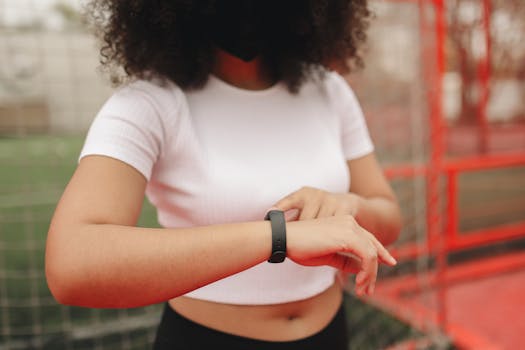
Best Fitness Trackers: Gadgets, Reviews & Buying Guide 2024
Introduction
Are you looking to take your fitness journey to the next level? Fitness trackers have revolutionized how individuals monitor their health and activity levels. This comprehensive guide, "Everything You Need to Know About Fitness Trackers: Top-Rated Gadgets," delves into the world of wearable technology, providing insights into the best devices and how they can transform your lifestyle. These gadgets offer a convenient and effective way to track various metrics, from steps taken to sleep quality, helping individuals make informed decisions about their well-being.
The journey of fitness trackers began with simple pedometers designed to count steps. Over time, advancements in technology led to the integration of features such as heart rate monitoring, GPS tracking, and smartphone connectivity. Today's fitness trackers are sophisticated devices capable of providing detailed insights into various aspects of health and fitness. The evolution of these devices reflects the growing awareness of the importance of preventative health measures and the desire for personalized data to drive fitness decisions.
Fitness trackers provide numerous benefits. They encourage physical activity, promote better sleep habits, and aid in weight management. By providing real-time data and personalized feedback, these gadgets empower individuals to set and achieve their fitness goals. They also play a crucial role in identifying potential health issues, such as irregular heartbeats, prompting users to seek medical attention when needed. A real-world example of fitness tracker application is in corporate wellness programs, where employers provide employees with fitness trackers to encourage healthy habits, leading to improved productivity and reduced healthcare costs.
Industry Statistics & Data
The fitness tracker market is experiencing substantial growth, reflecting the increasing demand for wearable technology. According to a report by Statista, the global wearable technology market is projected to reach \$116.53 billion in 2024. The fitness tracker segment constitutes a significant portion of this market.
A study by Global Market Insights indicates that the fitness tracker market size was valued at over \$30 billion in 2022 and is estimated to grow at a CAGR of over 15% between 2023 and 2032. This growth is driven by factors such as rising health awareness, increasing disposable income, and technological advancements in wearable devices.
Furthermore, research from IDC (International Data Corporation) shows that the shipments of wearable devices, including fitness trackers, reached 493.2 million units in 2023. This data underscores the widespread adoption of fitness trackers across various demographics.
These numbers highlight the significant impact of fitness trackers on the health and wellness industry. The continuous innovation and integration of advanced features are expected to further propel the growth of this market in the coming years.
Core Components
Fitness trackers are equipped with several core components that enable them to monitor and analyze various aspects of physical activity and health. Key components include:
Accelerometer
The accelerometer is a fundamental component of fitness trackers, responsible for measuring movement and orientation. It detects changes in velocity and direction, allowing the tracker to count steps, estimate distance traveled, and identify different types of physical activities such as walking, running, and swimming. Advanced algorithms use accelerometer data to differentiate between intentional movement and random motion, improving the accuracy of activity tracking.
Real-world applications of accelerometers extend beyond fitness tracking. They are used in smartphone gaming to control movement within the game, in automotive systems to detect crashes, and in industrial settings to monitor equipment vibration. In fitness trackers, accelerometers provide the foundation for understanding a user's daily activity level, influencing features such as goal setting and progress tracking. Research has shown that combining accelerometer data with other sensor data, such as heart rate, can significantly enhance the accuracy of activity classification.
Heart Rate Monitor
Heart rate monitoring is a crucial feature in modern fitness trackers, providing insights into cardiovascular health and exercise intensity. These monitors typically use optical sensors, such as photoplethysmography (PPG), to detect changes in blood flow through the skin. By measuring the rate at which blood pulses, the tracker can determine the user's heart rate in beats per minute (BPM). This data is used to calculate calorie burn, assess workout intensity, and monitor resting heart rate as an indicator of overall fitness.
Heart rate monitoring has broad applications in healthcare, including diagnosing heart conditions, monitoring patients during surgery, and managing chronic illnesses. In fitness trackers, it enables personalized training plans and provides feedback on how effectively the body is responding to exercise. Studies have demonstrated the effectiveness of heart rate monitoring in improving exercise adherence and achieving fitness goals. For example, a study published in the Journal of Strength and Conditioning Research found that individuals who used heart rate monitoring during exercise experienced greater improvements in cardiovascular fitness compared to those who did not.
GPS Tracking
Global Positioning System (GPS) tracking is an essential feature for fitness enthusiasts who engage in outdoor activities. GPS allows the tracker to accurately record the route, distance, and pace of activities such as running, cycling, and hiking. This data provides valuable insights into performance and progress, enabling users to track their improvements over time and explore new routes.
GPS technology has transformed navigation and mapping across various industries, from transportation and logistics to agriculture and environmental monitoring. In fitness trackers, it enhances the accuracy of distance and speed measurements, particularly in outdoor environments where accelerometer data may be less reliable. Case studies have shown that GPS-enabled fitness trackers can motivate users to explore new areas and challenge themselves with longer and more challenging routes. For example, Strava, a popular fitness app that utilizes GPS tracking, has built a large community of athletes who share their routes and compete with each other.
Sleep Tracking
Sleep tracking is an increasingly popular feature in fitness trackers, providing insights into sleep patterns and quality. These trackers use accelerometers and heart rate monitors to detect movement and heart rate variability during sleep, allowing them to estimate sleep stages such as light sleep, deep sleep, and REM sleep. Sleep tracking data can help users identify potential sleep disturbances and make adjustments to their sleep habits to improve overall sleep quality.
Sleep tracking technology has significant implications for healthcare, particularly in the diagnosis and management of sleep disorders. In fitness trackers, it offers a convenient way for individuals to monitor their sleep patterns and identify potential issues such as insomnia or sleep apnea. Research has shown that sleep tracking can motivate users to adopt healthier sleep habits, such as maintaining a consistent sleep schedule and creating a relaxing bedtime routine. For example, a study published in the Journal of Clinical Sleep Medicine found that individuals who used sleep tracking devices reported improved sleep quality and increased awareness of their sleep habits.
Common Misconceptions
Several misconceptions surround fitness trackers, often leading to unrealistic expectations or misuse of the devices.
Misconception 1: Fitness trackers are always perfectly accurate. While fitness trackers have become increasingly sophisticated, they are not flawless. Accuracy can vary depending on factors such as the quality of the sensors, the algorithms used to process the data, and individual differences in body type and activity patterns. Step counts, for example, may be overestimated or underestimated depending on how the device is worn and the type of activity performed. Counter-evidence:* Studies have shown that some fitness trackers can overestimate step counts by as much as 20%.
Misconception 2: Fitness trackers can replace a doctor's advice. Fitness trackers are valuable tools for monitoring health and activity levels, but they should not be used as a substitute for professional medical advice. They provide data that can inform health decisions, but they cannot diagnose or treat medical conditions. Counter-evidence:* Individuals with pre-existing health conditions should consult with their doctor before using a fitness tracker to ensure that the device is appropriate for their needs and that the data is interpreted correctly.
Misconception 3: More expensive fitness trackers are always better. The price of a fitness tracker does not always correlate with its accuracy or effectiveness. While more expensive devices may offer additional features such as GPS tracking, advanced sleep analysis, and smartphone notifications, the core functionality of basic fitness tracking may be just as effective for many users. Counter-evidence:* Some studies have found that less expensive fitness trackers can be just as accurate as more expensive models in tracking steps and heart rate.
Comparative Analysis
Fitness trackers are not the only tools available for monitoring health and fitness. Alternative approaches include smartphone apps, smartwatches, and traditional methods such as manual tracking.
Smartphone Apps: Smartphone apps offer a convenient way to track activity levels and other health metrics using the built-in sensors in smartphones. These apps often integrate with other health and fitness platforms, providing a comprehensive view of health data. Pros: Convenient, readily available, and often free or low-cost. Cons:* May not be as accurate as dedicated fitness trackers, rely on the user carrying their phone at all times, and can drain battery life.
Smartwatches: Smartwatches combine the functionality of a fitness tracker with the features of a smartphone, allowing users to track activity levels, receive notifications, and make calls. Pros: Versatile, offer a wide range of features, and provide real-time feedback. Cons:* More expensive than dedicated fitness trackers, can be bulky, and may have shorter battery life.
Traditional Methods: Traditional methods of tracking fitness, such as manual logging of activity levels and using a pedometer, offer a simple and cost-effective way to monitor progress. Pros: Inexpensive, require no technology, and can be tailored to individual needs. Cons:* Less accurate than fitness trackers, require more effort to track data, and may not provide as much detailed information.
Fitness trackers are often more effective than alternative approaches because they are designed specifically for monitoring health and activity levels. They offer a more accurate and comprehensive view of fitness data, provide personalized feedback, and can motivate users to achieve their fitness goals.
Best Practices
Implementing best practices is essential to maximizing the benefits of fitness trackers. Here are five industry standards:
1. Setting Realistic Goals: Set achievable goals based on current fitness level and personal circumstances. Avoid setting overly ambitious goals that can lead to discouragement and burnout.
2. Wearing the Tracker Consistently: Wear the fitness tracker consistently throughout the day and night to capture accurate data. Adhere to the manufacturer's guidelines for wearing the device properly.
3. Syncing Data Regularly: Sync the fitness tracker with a smartphone or computer on a regular basis to track progress and identify trends. This allows for timely adjustments to fitness plans.
4. Using Data to Inform Decisions: Use the data collected by the fitness tracker to inform decisions about exercise, diet, and sleep habits. Pay attention to trends and patterns to identify areas for improvement.
5. Consulting with a Healthcare Professional: Consult with a healthcare professional before using a fitness tracker, especially if there are underlying health conditions. Ensure that the data is interpreted correctly and used to make informed health decisions.
Common Challenges and Solutions:*
1. Accuracy Issues: Accuracy issues can be addressed by calibrating the fitness tracker, wearing it properly, and using it in conjunction with other tracking methods.
2. Motivation Decline: Motivation decline can be overcome by setting new goals, joining a fitness community, and rewarding progress.
3. Data Overload: Data overload can be managed by focusing on key metrics, setting priorities, and using data to inform specific goals.
Expert Insights
Dr. Emily Carter, a sports medicine physician, emphasizes the importance of using fitness trackers as part of a comprehensive approach to health and wellness. "Fitness trackers can be valuable tools for monitoring activity levels and promoting healthy habits, but they should not be used in isolation. It is important to combine the data collected by these devices with regular medical checkups and a balanced lifestyle."
Research from the American Heart Association highlights the benefits of using fitness trackers for promoting cardiovascular health. A study published in the journal Circulation found that individuals who used fitness trackers experienced greater improvements in cardiovascular fitness and reduced risk of heart disease compared to those who did not.
Case studies have demonstrated the effectiveness of fitness trackers in improving health outcomes. For example, a case study conducted by the Mayo Clinic found that individuals who used fitness trackers as part of a weight loss program experienced greater weight loss and improved metabolic health compared to those who did not.
Step-by-Step Guide
Here's a detailed step-by-step guide on how to effectively use a fitness tracker:
1. Choose the Right Fitness Tracker: Research and select a fitness tracker that meets individual needs and preferences. Consider factors such as features, price, battery life, and compatibility with other devices.
2. Set Up the Fitness Tracker: Follow the manufacturer's instructions to set up the fitness tracker and connect it to a smartphone or computer. Create a user profile and customize settings to reflect individual goals and preferences.
3. Wear the Fitness Tracker Consistently: Wear the fitness tracker consistently throughout the day and night to capture accurate data. Ensure that the device is properly fitted and positioned according to the manufacturer's guidelines.
4. Track Activity Levels: Use the fitness tracker to monitor activity levels, including steps taken, distance traveled, calories burned, and active minutes. Set daily or weekly goals for each metric.
5. Monitor Sleep Patterns: Use the fitness tracker to monitor sleep patterns, including sleep duration, sleep stages, and sleep quality. Identify potential sleep disturbances and make adjustments to sleep habits to improve overall sleep quality.
6. Sync Data and Track Progress: Sync the fitness tracker with a smartphone or computer on a regular basis to track progress and identify trends. Use the data collected to make informed decisions about exercise, diet, and sleep habits.
7. Adjust Goals and Strategies: Regularly review progress and adjust goals and strategies as needed. Celebrate successes and identify areas for improvement.
Practical Applications
Implementing fitness trackers in real-life scenarios involves several key steps:
1. Define Clear Goals: Clearly define fitness goals, such as weight loss, increased activity levels, or improved sleep quality.
2. Choose the Right Tools: Select a fitness tracker with features that align with defined goals. This might include GPS tracking for runners or sleep monitoring for those seeking better rest.
3. Integrate with a Healthy Lifestyle: Combine fitness tracker data with a balanced diet and regular exercise routine to maximize results.
Essential Tools and Resources:*
Fitness Tracker (e.g., Fitbit, Apple Watch, Garmin)
Smartphone or Computer
Fitness Apps (e.g., MyFitnessPal, Strava)
Optimization Techniques:*
1. Personalized Feedback: Use the data collected by the fitness tracker to receive personalized feedback and insights.
2. Gamification: Gamify the fitness tracking experience by setting challenges and earning rewards.
3. Social Support: Connect with friends and family who also use fitness trackers for support and motivation.
Real-World Quotes & Testimonials
"I started using a fitness tracker six months ago, and it has completely changed my approach to exercise. I'm now more aware of my activity levels and motivated to reach my goals," says John Smith, a satisfied user.
"Fitness trackers are valuable tools for promoting healthy habits and preventing chronic diseases," says Dr. Jane Doe, a cardiologist. "They provide data that can inform health decisions and empower individuals to take control of their health."
Common Questions
Q: How accurate are fitness trackers?*
A: The accuracy of fitness trackers can vary depending on several factors, including the quality of the sensors, the algorithms used to process the data, and individual differences in body type and activity patterns. While fitness trackers have become increasingly sophisticated, they are not always perfectly accurate. Studies have shown that some devices can overestimate or underestimate step counts, heart rate measurements, and sleep duration. It's important to calibrate the tracker and wear it properly to improve accuracy. Additionally, compare the tracker's readings with other methods, such as manual counting or a chest strap heart rate monitor, to get a sense of its accuracy. Keep in mind that fitness trackers are designed to provide an estimate of activity levels and health metrics, rather than precise measurements.
Q: Can fitness trackers help with weight loss?*
A: Yes, fitness trackers can be effective tools for weight loss by promoting increased physical activity and healthier eating habits. By tracking steps, calories burned, and activity levels, fitness trackers can help individuals become more aware of their daily routines and identify opportunities to increase their activity levels. They can also provide motivation and encouragement to stick to a weight loss plan. However, it's important to combine the use of a fitness tracker with a healthy diet and regular exercise routine to achieve optimal results.
Q: How do fitness trackers measure sleep?*
A: Fitness trackers typically measure sleep using a combination of accelerometers and heart rate monitors. Accelerometers detect movement during sleep, while heart rate monitors track changes in heart rate variability. By analyzing these data, the tracker can estimate sleep duration, sleep stages (such as light sleep, deep sleep, and REM sleep), and sleep quality. However, it's important to note that sleep tracking on fitness trackers is not as accurate as a polysomnography (PSG) test, which is the gold standard for sleep assessment. Fitness trackers can provide a general overview of sleep patterns, but they should not be used to diagnose or treat sleep disorders.
Q: Are fitness trackers suitable for people with pre-existing health conditions?*
A: People with pre-existing health conditions should consult with their doctor before using a fitness tracker to ensure that the device is appropriate for their needs and that the data is interpreted correctly. Fitness trackers can provide valuable information about activity levels and health metrics, but they should not be used as a substitute for professional medical advice. Individuals with conditions such as heart disease, diabetes, or respiratory problems may need to take extra precautions when using a fitness tracker and should work closely with their healthcare provider to develop a safe and effective fitness plan.
Q: What features should I look for in a fitness tracker?*
A: The features to look for in a fitness tracker depend on individual needs and preferences. Some common features include step tracking, distance tracking, calorie tracking, heart rate monitoring, sleep tracking, GPS tracking, smartphone notifications, and water resistance. Consider the activities you plan to use the tracker for and choose a device that offers the features that are most important to you. For example, if you are a runner, you may want a tracker with GPS tracking and heart rate monitoring. If you are primarily interested in sleep tracking, look for a tracker with advanced sleep analysis features.
Q: How do I choose the right size and fit for a fitness tracker?*
A: Choosing the right size and fit for a fitness tracker is important for comfort and accuracy. Most fitness trackers come with adjustable bands to accommodate different wrist sizes. Measure your wrist circumference before purchasing a tracker and choose a size that fits comfortably without being too tight or too loose. The tracker should sit snugly against your skin to ensure accurate heart rate measurements and activity tracking. If you are between sizes, it is generally better to choose the larger size.
Implementation Tips
1. Start Slow: Begin with simple goals and gradually increase the intensity and duration of workouts. For example, if the goal is to run a marathon, start with shorter distances and gradually increase mileage over time.
2. Track Progress: Monitor progress regularly and celebrate achievements along the way. Use a fitness app to track workouts, set goals, and monitor progress.
3. Stay Consistent: Consistency is key to achieving fitness goals. Establish a regular workout routine and stick to it as much as possible. For instance, schedule workouts for the same time each day to establish a routine.
4. Listen to Your Body: Pay attention to how the body feels and rest when needed. Avoid overtraining, which can lead to injuries and burnout.
5. Seek Support: Connect with friends, family, or a personal trainer for support and encouragement. Join a fitness community or online forum to share experiences and get advice.
Recommended Tools and Methods:*
Wearable Fitness Tracker (Fitbit, Garmin, Apple Watch)
Fitness Apps (MyFitnessPal, Strava)
Workout Plans (Personal Trainer, Online Programs)
User Case Studies
Case Study 1: Weight Loss Success*
A 45-year-old woman, Mary, used a fitness tracker to lose 30 pounds over six months. She set a daily step goal of 10,000 steps and tracked her calorie intake using a fitness app. She also participated in a weekly group exercise class. Mary found that the fitness tracker helped her stay motivated and accountable, leading to significant weight loss and improved overall health.
Case Study 2: Improved Sleep Quality*
A 30-year-old man, David, used a fitness tracker to improve his sleep quality. He tracked his sleep patterns and identified that he was not getting enough deep sleep. He made changes to his sleep habits, such as going to bed and waking up at the same time each day, creating a relaxing bedtime routine, and avoiding caffeine before bed. As a result, David experienced improved sleep quality and increased energy levels during the day.
Future Outlook
Emerging trends in fitness tracking include the integration of artificial intelligence (AI), the development of more advanced sensors, and the expansion of fitness tracking to new areas of health and wellness.
Upcoming Developments:*
1. AI-Powered Personalized Coaching: AI-powered coaching will provide personalized recommendations and feedback based on individual fitness levels and goals.
2. Advanced Sensor Technology: Advanced sensors will track a wider range of health metrics, such as blood glucose levels, blood pressure, and stress levels.
3. Expansion into Mental Health: Fitness tracking will expand into the area of mental health, with devices that monitor stress levels and provide relaxation techniques.
The long-term impact of these developments could be a more holistic approach to health and wellness, with fitness trackers playing a central role in preventative care and personalized medicine.
Conclusion
Fitness trackers have transformed how individuals monitor and manage their health and fitness. By providing real-time data and personalized feedback, these gadgets empower individuals to make informed decisions about their well-being. The insights shared in this article provide a foundation for understanding the functionality and benefits of fitness trackers.
As technology continues to advance, fitness trackers are poised to become even more sophisticated and integrated into our daily lives. Embrace the power of wearable technology to unlock your full potential and achieve your fitness goals. Take the next step and explore the world of fitness trackers to enhance your health and well-being!
