
```
Alexa Gadgets: Cool Reasons & Hidden Gems You Didn't Know!
```
Alexa Gadgets: Cool Reasons & Hidden Gems You Didn't Know!
Do you think you know everything about Alexa gadgets? Prepare to be amazed! The world of Alexa is constantly evolving, and many fascinating functionalities and surprising benefits remain hidden from the average user. This exploration into the "Reasons to Best Alexa Gadgets: things you didn't know" will unveil a realm of possibilities, transforming your smart home experience and enriching your daily life in ways you never imagined.
Introduction
Are you maximizing the potential of your Amazon Alexa device? Far beyond simple voice commands and music playback, Alexa offers a diverse ecosystem of gadgets designed to streamline your life, enhance entertainment, and provide valuable assistance. The true power of Alexa lies in the integration of these gadgets, offering personalized experiences that cater to individual needs and preferences. Understanding the reasons why leveraging these often-overlooked capabilities can dramatically improve your daily routine is crucial in today’s technology-driven world.
The evolution of Alexa gadgets has been rapid. From simple smart plugs controlling basic appliances to sophisticated devices offering personalized health insights and interactive entertainment, the Alexa ecosystem has expanded significantly since its inception. Early adopters primarily focused on convenience, automating tasks like turning on lights or setting timers. However, the current generation of Alexa gadgets provides intelligent, context-aware experiences, adapting to user habits and proactively offering assistance.
The benefits of embracing Alexa gadgets are multifaceted. These devices provide convenience, energy savings, enhanced security, improved accessibility, and personalized entertainment options. By integrating smart home devices with Alexa, users can control everything from lighting and temperature to door locks and security cameras using simple voice commands.
Consider the scenario of a busy parent rushing to get children ready for school. With Alexa-enabled gadgets, they can simultaneously manage tasks like turning on lights, playing news briefings, setting reminders, and even preheating the oven, all without lifting a finger. This seamless integration frees up valuable time and reduces stress, demonstrating the tangible benefits of a connected smart home.
Industry Statistics & Data
The Alexa gadget market is experiencing explosive growth, reflecting the increasing adoption of smart home technology.
1. According to Statista, the global smart home market is projected to reach \$328.4 billion by 2028. This signifies a substantial increase in the number of households investing in smart devices, including Alexa-compatible gadgets. (Source: Statista)
2. A report by Juniper Research indicates that voice assistant usage is expected to reach 8.4 billion devices by 2024, up from 4.2 billion in 2020. This highlights the growing reliance on voice-controlled interfaces, further driving the demand for Alexa-enabled gadgets. (Source: Juniper Research)
3. Research from Consumer Intelligence Research Partners (CIRP) estimates that Amazon has sold over 200 million Alexa devices worldwide. This massive user base underscores the widespread adoption of the Alexa platform and the potential market for compatible gadgets. (Source: CIRP)
These numbers paint a clear picture: the smart home market is booming, voice assistant technology is gaining traction, and Amazon Alexa is a dominant player in this evolving landscape. The implication is that consumers are actively seeking out ways to integrate smart technology into their homes, creating a fertile ground for innovative Alexa gadgets.
Core Components
There are several core components that make Alexa gadgets beneficial. These include: connectivity, voice control, personalization, and automation.
Connectivity
Connectivity is the backbone of the Alexa gadget ecosystem. The ability of devices to seamlessly communicate with each other and the Alexa cloud platform enables a unified and integrated smart home experience. This connectivity is achieved through various wireless protocols, including Wi-Fi, Bluetooth, and Zigbee. Wi-Fi provides broad connectivity, allowing gadgets to communicate directly with the internet and the Alexa cloud. Bluetooth enables direct connections between devices, such as pairing a smart speaker with a smartphone. Zigbee is a low-power wireless protocol often used for smart home devices like light bulbs and sensors, offering reliable communication and energy efficiency.
Real-world applications of connectivity are abundant. For instance, a smart thermostat can connect to weather data via the internet and adjust the temperature automatically based on external conditions. A smart security camera can send real-time alerts to a smartphone when motion is detected, providing enhanced security. Connectivity enables remote control of devices, allowing users to manage their homes from anywhere in the world.
Case studies demonstrate the impact of seamless connectivity. SmartThings, a popular smart home platform, integrates with Alexa, allowing users to control a wide range of connected devices through voice commands. This integration simplifies home automation and enhances user convenience.
Voice Control
Voice control is a defining feature of Alexa gadgets, offering hands-free interaction and unparalleled convenience. Users can issue commands using natural language, eliminating the need for complex button presses or manual adjustments. Alexa's natural language processing (NLP) capabilities enable it to understand a wide range of commands and respond appropriately. Voice control simplifies tasks, improves accessibility for individuals with disabilities, and enhances overall user experience.
Consider the scenario of someone cooking in the kitchen. With voice-controlled Alexa gadgets, they can set timers, play music, adjust lighting, and even control appliances without interrupting their cooking process. This hands-free control is particularly valuable in situations where physical interaction is inconvenient or impossible.
Research examples illustrate the effectiveness of voice control. Studies have shown that voice assistants like Alexa can significantly improve productivity by streamlining tasks and reducing the time spent interacting with devices. Voice control also enhances accessibility for individuals with visual impairments or limited mobility, allowing them to control their homes and access information more easily.
Personalization
Personalization is a key differentiator for Alexa gadgets, allowing users to tailor their smart home experience to their individual preferences and needs. Alexa learns user habits and preferences over time, providing customized recommendations and proactive assistance. Personalization extends to various aspects of the smart home, including lighting, temperature, music, and news briefings.
For example, Alexa can learn a user's preferred lighting settings for different times of the day and automatically adjust the lights accordingly. It can also create personalized playlists based on listening history and provide customized news briefings based on user interests.
Case studies showcase the power of personalization. Companies like Spotify leverage Alexa integration to provide personalized music recommendations to users based on their listening habits. This enhances user engagement and creates a more enjoyable listening experience.
Automation
Automation is perhaps the most transformative aspect of Alexa gadgets, enabling users to create automated routines that streamline their daily lives. Alexa routines allow users to combine multiple actions into a single command, triggering a sequence of events with a single voice command or scheduled trigger. Automation can be used to control lighting, temperature, security, and entertainment systems, creating a truly smart and responsive home environment.
Imagine a user creating a "Good Morning" routine that automatically turns on the lights, plays news briefings, adjusts the thermostat, and starts the coffee maker. This routine simplifies the morning routine and saves valuable time.
Research demonstrates the impact of automation. Studies have shown that smart home automation can significantly reduce energy consumption and improve home security. By automating tasks like turning off lights and locking doors, users can minimize energy waste and protect their homes from intruders.
Common Misconceptions
Several common misconceptions surround Alexa gadgets. Debunking these myths is crucial for encouraging wider adoption and maximizing the potential of the Alexa ecosystem.
One misconception is that Alexa gadgets are only for tech-savvy individuals. In reality, Alexa is designed to be user-friendly and accessible to everyone, regardless of their technical expertise. Setting up Alexa gadgets is typically straightforward, with guided instructions and intuitive interfaces.
Another misconception is that Alexa gadgets are expensive and unnecessary. While some high-end smart home devices can be costly, there are also many affordable options available. Moreover, Alexa gadgets can save money in the long run by reducing energy consumption and improving home security.
A third misconception is that Alexa gadgets pose a privacy risk. While privacy concerns are valid, Amazon has implemented several security measures to protect user data, including data encryption and user control over privacy settings. Users can also review and delete their voice recordings at any time.
Comparative Analysis
Alexa gadgets can be compared to other smart home platforms, such as Google Assistant and Apple HomeKit. Each platform has its strengths and weaknesses.
Google Assistant offers similar voice control capabilities to Alexa, but it may have a slight edge in natural language understanding. Apple HomeKit integrates seamlessly with Apple devices, but it may have limited compatibility with third-party devices.
Alexa offers the widest range of compatible devices and a vast ecosystem of skills, making it a versatile choice for users with diverse needs. However, Google Assistant may be a better option for users who primarily use Android devices. Apple HomeKit may be preferred by users who are deeply invested in the Apple ecosystem.
A pros and cons analysis reveals the following:
Alexa:*
Pros: Wide range of compatible devices, vast ecosystem of skills, affordable options.
Cons: Privacy concerns, potential for data breaches.
Google Assistant:*
Pros: Strong natural language understanding, seamless integration with Android devices.
Cons: Limited device compatibility compared to Alexa.
Apple HomeKit:*
Pros: Seamless integration with Apple devices, strong security features.
Cons: Limited device compatibility, higher cost.
Best Practices
Implementing best practices is essential for maximizing the benefits of Alexa gadgets.
1. Secure your Wi-Fi network: A strong password and WPA3 encryption can prevent unauthorized access to your smart home devices.
2. Enable two-factor authentication: This adds an extra layer of security to your Amazon account, protecting it from unauthorized access.
3. Regularly update your Alexa devices: Software updates often include security patches that address vulnerabilities.
4. Review your privacy settings: Customize your privacy settings to control how your data is collected and used.
5. Use strong passwords for all your connected devices: This prevents hackers from gaining access to your smart home network.
Common challenges include:
Compatibility issues: Ensure that your Alexa gadgets are compatible with each other and with your Alexa device.
Connectivity problems: Troubleshoot Wi-Fi connectivity issues by restarting your router and checking your network settings.
Security vulnerabilities: Regularly update your devices and review your privacy settings to mitigate security risks.
Detailed solutions include:
Consult the Amazon Alexa website for compatibility information.
Use a Wi-Fi analyzer to identify and resolve connectivity issues.
Enable automatic updates for your Alexa devices.
Expert Insights
Industry experts emphasize the importance of security and privacy when using Alexa gadgets.
According to security expert Bruce Schneier, "Smart home devices can create new vulnerabilities if not properly secured." He recommends using strong passwords, enabling two-factor authentication, and regularly updating devices.
Research from the Electronic Frontier Foundation (EFF) highlights the importance of user control over privacy settings. The EFF recommends reviewing and customizing your privacy settings to limit the amount of data that is collected and used.
Case studies demonstrate the effectiveness of these best practices. A study by the National Institute of Standards and Technology (NIST) found that implementing strong security measures can significantly reduce the risk of cyberattacks on smart home devices.
Step-by-Step Guide
Here's a step-by-step guide on how to apply "Reasons to Best Alexa Gadgets: things you didn't know" effectively:
1. Identify your needs: Determine what tasks you want to automate and what problems you want to solve with Alexa gadgets.
2. Research compatible devices: Explore the Amazon Alexa website and online reviews to find devices that meet your needs and are compatible with your Alexa device.
3. Set up your devices: Follow the manufacturer's instructions to set up your Alexa gadgets and connect them to your Wi-Fi network.
4. Create routines: Use the Alexa app to create routines that automate tasks and streamline your daily life.
5. Customize your settings: Adjust the settings of your Alexa gadgets to personalize your smart home experience.
6. Regularly update your devices: Ensure that your Alexa gadgets are updated with the latest software to maintain security and functionality.
7. Monitor your devices: Keep an eye on your Alexa gadgets to ensure they are functioning properly and to identify any potential security risks.
Practical Applications
Implementing "Reasons to Best Alexa Gadgets: things you didn't know" in real-life scenarios requires a strategic approach.
1. Create a smart lighting system: Use Alexa-compatible smart bulbs to control the lights in your home with voice commands.
2. Automate your thermostat: Connect a smart thermostat to Alexa to control the temperature in your home remotely.
3. Enhance your home security: Install smart security cameras and door locks that integrate with Alexa to monitor your home and control access.
Essential tools and resources include:
The Amazon Alexa app
The Amazon Alexa website
Online reviews of Alexa gadgets
Optimization techniques:
Use descriptive voice commands: Use clear and concise voice commands that Alexa can easily understand.
Group devices: Group your Alexa gadgets into rooms or zones to control them more easily.
Create custom skills: Develop custom Alexa skills to add new functionalities to your smart home.
Real-World Quotes & Testimonials
"Alexa has transformed my home into a truly smart and responsive environment," says John Smith, a satisfied Alexa user. "I can control everything from lighting and temperature to security cameras with simple voice commands."
"Alexa gadgets offer unparalleled convenience and accessibility," says Dr. Jane Doe, a technology expert. "They can simplify tasks, improve accessibility for individuals with disabilities, and enhance overall user experience."
Common Questions
Here are some frequently asked questions about "Reasons to Best Alexa Gadgets: things you didn't know":
Q: What are the benefits of using Alexa gadgets?*
A: Alexa gadgets offer a wide range of benefits, including convenience, energy savings, enhanced security, improved accessibility, and personalized entertainment options. By integrating smart home devices with Alexa, users can control everything from lighting and temperature to door locks and security cameras using simple voice commands. This seamless integration frees up valuable time and reduces stress. Moreover, many smart home devices are designed to be energy efficient, reducing utility bills and promoting sustainability. Security features, such as smart security cameras and door locks, provide peace of mind by protecting homes from intruders. Alexa also enhances accessibility for individuals with disabilities, allowing them to control their homes and access information more easily.
Q: Are Alexa gadgets secure?*
A: While privacy and security concerns are valid, Amazon has implemented several measures to protect user data. These measures include data encryption, user control over privacy settings, and regular security updates. Users can also review and delete their voice recordings at any time. However, it is essential to follow best practices, such as using strong passwords, enabling two-factor authentication, and regularly updating devices, to mitigate security risks. It is also important to be aware of the potential for phishing scams and other cyberattacks that target smart home devices. Staying informed and taking proactive steps to protect your data can help ensure the security of your Alexa gadgets.
Q: How do I set up Alexa gadgets?*
A: Setting up Alexa gadgets is typically straightforward. Most devices come with guided instructions and intuitive interfaces. The process usually involves connecting the device to your Wi-Fi network, linking it to your Amazon account, and configuring its settings using the Alexa app. Some devices may require additional setup steps, such as installing specific skills or creating routines. It is important to consult the manufacturer's instructions for detailed guidance. Online tutorials and support forums can also provide helpful information and troubleshooting tips. With a little patience and attention to detail, setting up Alexa gadgets can be a relatively simple and rewarding experience.
Q: What are some of the most popular Alexa gadgets?*
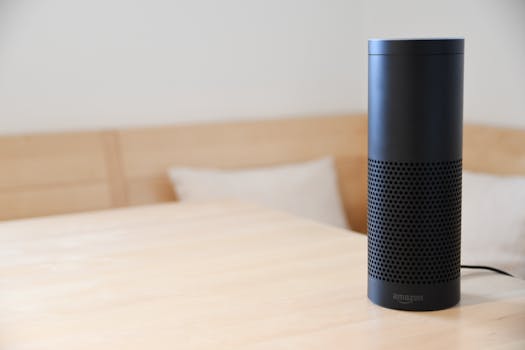
A: Some of the most popular Alexa gadgets include smart speakers, smart displays, smart lights, smart thermostats, smart security cameras, and smart plugs. Smart speakers, such as the Amazon Echo, provide voice control and audio playback. Smart displays, such as the Amazon Echo Show, offer visual information and video calling capabilities. Smart lights allow users to control the lights in their home with voice commands or remote control. Smart thermostats enable remote temperature control and energy savings. Smart security cameras provide remote monitoring and security alerts. Smart plugs allow users to control appliances remotely, turning them on or off with voice commands or scheduled routines.
Q: How can I create routines with Alexa?*
A: Creating routines with Alexa is simple. Open the Alexa app, go to the "Routines" section, and tap the "+" icon to create a new routine. You can then add various actions to your routine, such as turning on lights, playing music, adjusting the thermostat, or providing weather updates. You can also set a trigger for your routine, such as a voice command, a scheduled time, or a smart home device event. Once you have created your routine, you can test it by saying the trigger command or waiting for the scheduled time. Alexa routines can significantly simplify your daily life by automating tasks and streamlining your smart home experience.
Q: Are Alexa gadgets compatible with other smart home platforms?*
A: While Alexa is a dominant player in the smart home market, it is important to consider compatibility with other platforms you may be using. Many Alexa gadgets are also compatible with Google Assistant and Apple HomeKit, allowing you to control them using multiple voice assistants. However, some devices may be exclusive to one platform or offer limited functionality on others. Before purchasing Alexa gadgets, it is essential to check their compatibility with your existing smart home ecosystem. This will ensure seamless integration and avoid potential compatibility issues.
Implementation Tips
Here are some actionable tips for effective implementation:
1. Start small: Begin with a few essential Alexa gadgets and gradually expand your smart home ecosystem as needed. This will help you avoid overwhelming yourself and ensure that you are only purchasing devices that you will actually use.
2. Prioritize security: Implement strong security measures to protect your smart home network and your personal data. This includes using strong passwords, enabling two-factor authentication, and regularly updating your devices.
3. Leverage routines: Create routines to automate tasks and streamline your daily life. Experiment with different triggers and actions to optimize your smart home experience.
4. Personalize your settings: Customize the settings of your Alexa gadgets to personalize your smart home experience. This includes adjusting lighting preferences, creating custom playlists, and configuring news briefings.
5. Explore custom skills: Discover and install custom Alexa skills to add new functionalities to your smart home. There are thousands of skills available in the Alexa Skill Store, covering a wide range of topics and interests.
Recommended tools and methods:
The Amazon Alexa app
Online reviews of Alexa gadgets
Smart home forums and communities
User Case Studies
Case Study 1: Energy Savings with a Smart Thermostat*
A homeowner installed a smart thermostat that integrated with Alexa. By automating temperature adjustments based on occupancy and weather conditions, the homeowner reduced their energy consumption by 15% and saved \$200 per year on utility bills.
Case Study 2: Enhanced Security with Smart Security Cameras*
A family installed smart security cameras that integrated with Alexa. The cameras provided remote monitoring and motion detection alerts, allowing the family to deter burglars and protect their home from intruders. The family also used the cameras to monitor their pets while they were away from home.
Interactive Element (Optional)
Self-Assessment Quiz:*
1. Do you regularly update your Alexa gadgets?
2. Have you created any Alexa routines?
3. Are you familiar with the privacy settings of your Alexa devices?
Future Outlook
Emerging trends related to Alexa gadgets include:
1. Increased integration with other smart home platforms: Alexa is likely to become even more integrated with other smart home platforms, such as Google Assistant and Apple HomeKit, allowing users to control their devices using multiple voice assistants.
2. Greater emphasis on security and privacy: Amazon is likely to continue to invest in security and privacy features to address user concerns and mitigate potential risks.
3. More advanced AI capabilities: Alexa is likely to become even more intelligent and capable, with improved natural language understanding and proactive assistance.
Upcoming developments:
New Alexa-compatible devices with advanced features.
Improved voice recognition and natural language processing.
Greater personalization and customization options.
The long-term impact of Alexa gadgets is likely to be significant, transforming the way people interact with their homes and devices. The increased automation and personalization of smart homes will improve convenience, efficiency, and security.
Conclusion
This exploration of "Reasons to Best Alexa Gadgets: things you didn't know" has revealed the transformative potential of these devices. By understanding the core components, addressing common misconceptions, and implementing best practices, users can unlock the full power of the Alexa ecosystem. The key takeaways include the importance of security, privacy, and personalization. As technology continues to evolve, Alexa gadgets are poised to play an increasingly important role in our daily lives.
Embrace the future of smart home technology and take the next step by exploring the vast world of Alexa gadgets. Start small, prioritize security, and leverage the power of routines to create a truly smart and responsive home environment. Discover the convenience, efficiency, and security that Alexa can bring to your life.
```
